Published 03/27/2026 12:00 | Edited 03/27/2026 12:34
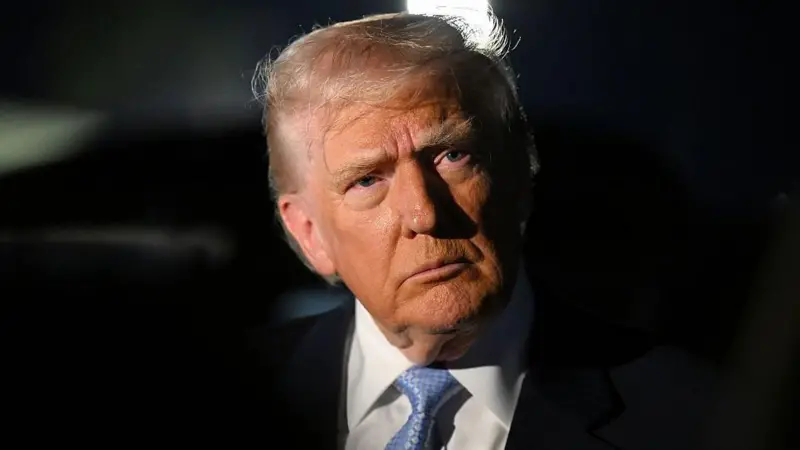
The President of the United States, Donald Trump, announced this Thursday (27) the extension for another 10 days of the suspension of attacks on Iran.
The decision was announced in a publication on the Truth Social network. Trump stated that the measure responds to a request from Tehran and that negotiations were “going very well”.
The Iranian government, however, denies the existence of direct dialogue and has not confirmed any request in this regard.
Last weekend, the American president had bluffed with a 48-hour ultimatum for Iran to reopen the Strait of Hormuz, threatening to attack the country’s energy system.
On Monday (23), the deadline was extended to five days due to ongoing negotiations. Now, the new decision extends the suspension until April 6th.
Iranian state media reported that Tehran rejected a ceasefire proposal presented by the United States, consisting of 15 points, and maintains demands such as an end to attacks, payment of reparations and recognition of sovereignty over the Strait of Hormuz.
The war of aggression, which is approaching a month, is already having direct effects on the international economy. Oil prices once again surpassed US$100 per barrel, while stock exchanges registered a drop in the face of instability and the risk of interruption in the global energy flow.
The Strait of Hormuz, the central point of the dispute, concentrates around 15% of the oil and 20% of the liquefied natural gas transported in the world. Military actions in the region and restrictions on navigation have increased volatility in markets and put pressure on supply chains.
Even with the suspension of US aggression, its ally in the region, Israel, continues to bomb the Persian country.
Tel Aviv claims to have killed this Thursday the naval commander of the Iranian Revolutionary Guard, Alireza Tangsiri, in an airstrike, while the United States maintains a reinforced presence in the Gulf. American troops were sent to the region.
Source: vermelho.org.br