Published 01/13/2026 11:20 | Edited 01/13/2026 17:27
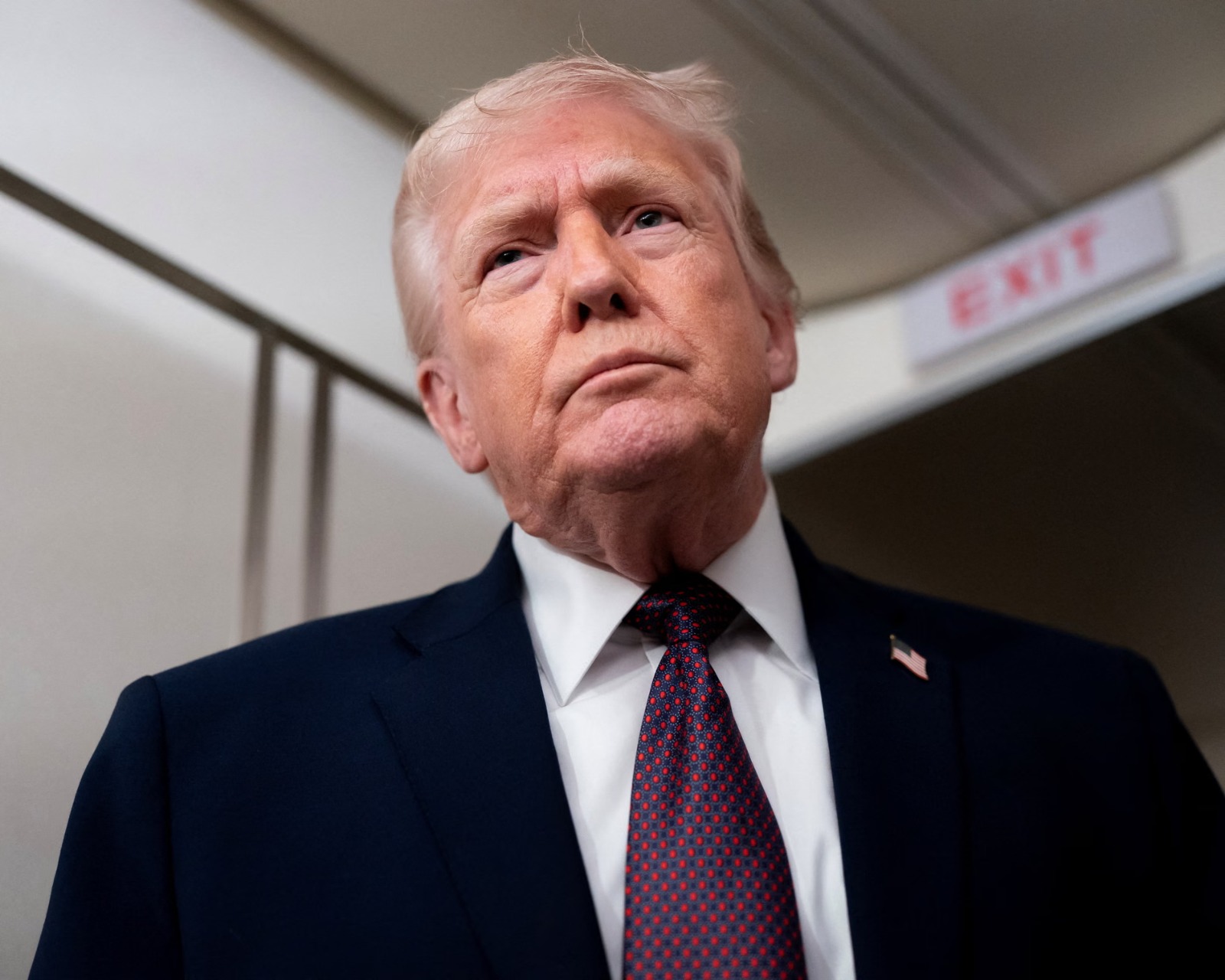
The President of the United States, Donald Trump, announced this Monday (12) a new round of trade threats by declaring that he intends to impose a 25% tariff on trade with the USA from countries that maintain commercial relations with Iran.
The measure, presented unilaterally and without details by the White House, could affect more than 100 countries — including Brazil, which traded almost US$3 billion in trade with Tehran in 2025.
“With immediate effect, any country doing business with the Islamic Republic of Iran will pay a 25% tariff on any and all business carried out with the United States of America. This order is final and conclusive”, wrote the US president, in a post on the Truth Social network.
To date, however, the North American government has not released a decree, executive order or clarification on the legal basis and effective scope of the measure, which reinforces the political and economic threat of the declaration.
Trump’s announcement comes at a time of strong political instability in Iran, which is facing the biggest anti-government protests in years.
The demonstrations, which have intensified in recent weeks, bring together tens of thousands of people in different regions of the country and have already resulted in hundreds of deaths, including protesters and security agents, according to surveys by international organizations.
The protests began at the end of 2025, amid the worsening of the Iranian economic crisis, marked by high inflation, strong devaluation of the local currency and the prolonged effects of sanctions imposed by the United States and its allies.
As mobilizations advanced, Washington began to use the country’s internal situation as an argument to increase political and economic pressure on Tehran.
Since the beginning of the year, Trump has publicly stated that he is evaluating new measures against Iran, including additional sanctions and military action. The American president declared that he maintained contacts with sectors of the Iranian opposition and did not rule out new bombings, reinforcing the confrontational stance adopted by his government in the region.
The Iranian government reacted to Washington’s threats by saying it was prepared for any eventuality.
In an interview with the broadcaster Al JazeeraIranian Foreign Minister Abbas Araghchi declared that the country is “prepared for any action” from the United States, amid the Trump administration’s internal discussions about possible intervention.
According to Araghchi, Iran’s level of readiness “is much higher” than in the period in which the United States carried out military attacks against the country, in June 2025. The chancellor stated, however, that he hopes that a diplomatic solution will prevail.
“I hope the wise option is chosen,” he said.
For critical analysts of United States foreign policy, Trump’s rhetoric is part of a strategy of pressure on governments considered obstacles to the strategic interests of Washington and its allies.
In the case of Iran, this offensive involves not only the country’s internal politics, but its central role in the regional balance and economic articulations led by China.
Despite facing severe sanctions imposed by the United States for years, Iran maintains a wide network of international trade relations, particularly with China and Russia.
A member of the Organization of Petroleum Exporting Countries (OPEC) and holder of the second largest oil reserves and the fourth largest gas reserves in the world, the country directs the majority of its oil exports to the Chinese market, which accounts for more than 90% of Iranian oil trade, according to estimates by international analysts.
Official data from the Chinese government indicate that, in the first 11 months of 2025 alone, China exported US$6.2 billion in goods to Iran and imported US$2.85 billion, without counting oil purchases.
If Trump’s threat is applied broadly, the new tariff could increase the effective tariff burden on Chinese products exported to the United States to up to 45%, deepening the trade escalation between the world’s two largest economies and directly affecting strategic Chinese projects, such as the New Silk Road, of which Iran is a central part.
If Trump’s threat is applied broadly, the new tariff could increase the effective tariff burden on Chinese products exported to the United States to up to 45%, deepening the trade escalation between the world’s two largest economies.
Türkiye, Iraq, the United Arab Emirates and India are also among the main destinations for Iranian exports.
International trade monitoring data indicates that more than a hundred countries carried out some type of exchange with Tehran in 2025, which significantly expands the potential reach of the new round of tariffs announced by Trump.
Brazil is among the countries that maintain regular trade with Iran. In 2025, bilateral exchange generated almost US$3 billion, with Brazilian exports concentrated mainly on agribusiness products, such as grains and oilseeds.
Source: vermelho.org.br