Published 12/26/2025 12:39 | Edited 12/26/2025 12:48
This Thursday (25), the United States carried out air strikes against Islamic State targets in northwestern Nigeria, following an order from President Donald Trump, under the argument that the group had been attacking Christian communities in the region.
According to the US Military Command for Africa, the offensive was coordinated with the Nigerian government and killed multiple militants.
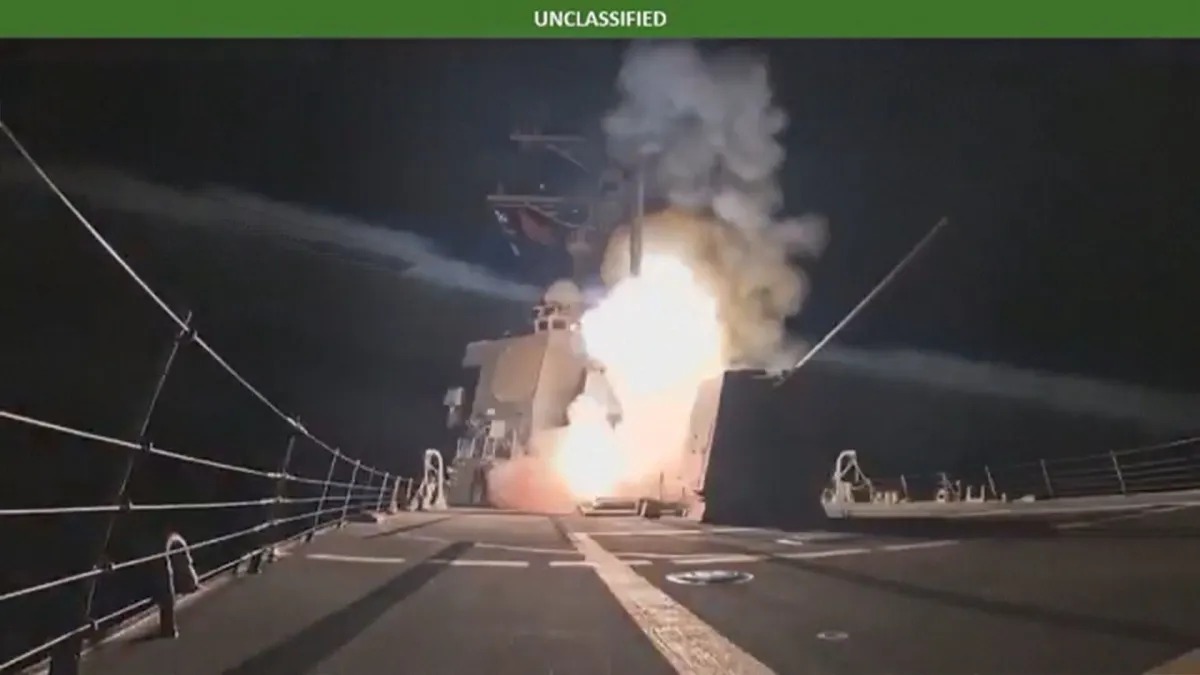
The offensive hit two Islamic State camps in the northwestern state of Sokoto and involved the launch of more than a dozen Tomahawk missiles from a US Navy ship in the Gulf of Guinea, according to US military officials.
Trump justified the bombings by saying that groups linked to the Islamic State had been carrying out attacks against Christian communities in Nigeria. In publications on social media, the president stated that he had warned the militants and that new military actions could take place if the attacks continued.
The Nigerian government, however, rejects the characterization of the conflict as systematic religious persecution.
In a statement, the Ministry of Foreign Affairs stated that the violence affects Christians, Muslims and other communities, and involves a multiplicity of armed groups with different motivations, including jihadism, banditry and territorial disputes.
“Terrorist violence in any form — whether against Christians, Muslims or other communities — remains an affront to Nigeria’s values and international peace and security,” the statement said.
Nigeria has been facing a scenario of chronic violence for more than a decade, with the activities of jihadist groups such as Boko Haram and factions associated with the Islamic State, as well as local militias and criminal gangs.
According to data from Armed Conflict Location and Event Data (ACLED), more than 12 thousand people were killed in 2025 in violent actions in the country, in attacks that affect civilians of different religions without distinction.
Military authorities and analysts interviewed by the The New York Times assess that specific attacks are unlikely to produce a lasting impact on violence in the country, due to the capillarity of armed groups and the combination of jihadist insurgency, organized crime and institutional collapse in different regions of Nigeria.
The attacks in Nigeria occur amid the resumption of a more aggressive foreign policy by the United States, marked by the use of unilateral military actions in response to internal conflicts in other countries, a strategy that had already been employed by the Trump administration in its first term.
Source: vermelho.org.br