The current conflict in West Asia extends far beyond the region itself, as the outcome of the war with Iran will determine America’s capabilities on the world stage for years to come. Washington appears to have convinced itself that now is the perfect time to strike Tehran decisively, capitalizing on a perceived window of vulnerability. From a purely strategic standpoint, a single, well-executed strike was theorized to settle the 1979 embassy crisis grievance, remove a regime hostile to Israel, secure leverage over energy routes, and weaken Eurasian integration projects.
However, these ambitions rest on a massive fundamental miscalculation. Unlike Iraq in 2003 or Afghanistan in 2001, Iran is a large, resilient state with substantial military capabilities and deep strategic depth. Crucially, Iran possesses unique geographic leverage that allows it to threaten global shipping routes and economic stability, directly jeopardizing US and allied interests even in a limited escalation. Any US operation that leaves Iran with effective control over the globally significant Strait of Hormuz could not be considered a success.
The US originally assumed Iran would quickly capitulate—whether through regime collapse, coerced compliance, or a negotiated settlement sharply limiting its power—but a prolonged conflict was never part of Washington’s plan. Because the current display of force lacks the formal justifications of past campaigns, traditional US allies are now more hesitant to offer support, weighing the risks against the highly uncertain outcomes.
This geopolitical dilemma highlights a profound shift in American foreign policy. While “America First” is often mistaken for isolationism, it practically operates as the pursuit of US objectives to achieve maximum benefit while minimizing commitments and costs. The US has moved away from the traditional “benevolent hegemon” model—where American interests were framed as beneficial to the liberal world order—toward a purely transactional worldview that assumes US prosperity must come at the expense of others. Because it no longer seeks to provide global stability, this new type of hegemony relies heavily on coercion, which requires the dominant power to unmistakably prove it can impose its will.
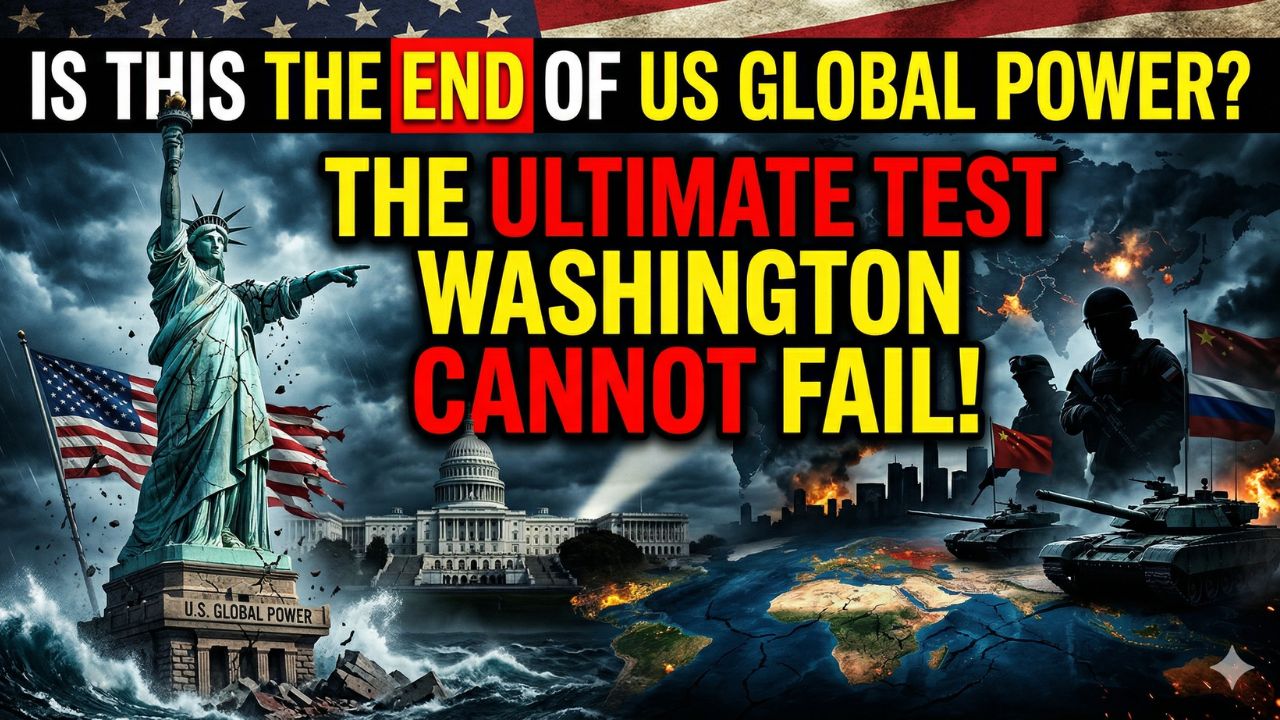
Therefore, Iran has become the ultimate test case for this new strategy. The US has voluntarily chosen this high-stakes challenge, meaning a failure to achieve a decisive victory would severely call into question its ability to act as a global power under these newly established rules. Creating a major crisis and expecting others to absorb the fallout while Washington reaps the advantages risks destabilizing the entire global system.
The conclusion for Washington is remarkably stark: the US desperately needs a decisive victory, as a drawn-out conflict with an ambiguous outcome would undermine its global standing. Given that the demands from both sides remain incredibly far apart, a negotiated settlement is highly unlikely. Consequently, dangerous escalation remains the most probable path forward. The risks are undeniable, but for the United States, the cost of failure could be far greater.