Published 03/30/2026 16:32
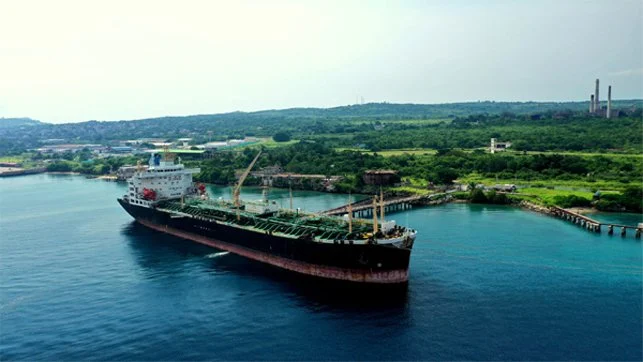
The arrival of the Russian oil tanker Anatoly Kolodkin at the port of Matanzas, this Sunday (29), marks a turning point in the economic pressure exerted by the United States against the Caribbean island. Loaded with approximately 730,000 barrels of crude oil, the Russian vessel docked in a Cuban port after a retreat from the Donald Trump government, which publicly declared “it sees no problems” in sending fuel for humanitarian purposes.
The movement takes place against a backdrop of a severe energy crisis in Cuba, worsened by the interruption of Venezuelan supplies and the tightening of Washington’s sanctions since January 2026. The Russian load is estimated to be sufficient to meet diesel demand for around ten days, ensuring the operation of hospitals and public transport.
Washington’s Retreat and Executive Order
On January 29, the White House established a national emergency Executive Order, authorizing retaliatory tariffs against countries that supplied oil to Cuba. However, given the worsening living conditions on the island and an international situation of growing opposition to unilateral sanctions policies, Trump was forced to retreat on this front as well.
Although the Executive Order remains in force regarding long-term trade barriers, the US president verbally modified the directive to allow this specific shipment, prioritizing basic needs and essential services. The US Coast Guard, which monitors the region with patrol vessels (cutters), did not interfere with the Anatoly Kolodkin’s trajectory.
A Global Solidarity Network
The Russian contribution is not an isolated action, but part of an international union that seeks to mitigate the impact of the blockade on the Cuban population. Xi Jinping’s Chinese government officially donated 60,000 tons of rice, of which 15,600 tons have already landed in Havana in March. The package also includes financial assistance of US$80 million aimed at economic recovery.
The UN resident coordinator in Cuba, Francisco Pichón, presented an emergency plan worth US$94.1 million. The project focuses on importing fuel with full traceability to maintain health and sanitation services in eight provinces, benefiting around 2 million people.
The Nuestra América caravan — an initiative of NGOs, trade unions, human rights organizations and political parties —, with the support of activists from more than 30 countries, delivered 20 tons of humanitarian aid in March.
The highlight of the shipment was the donation of 73 solar panels and generators, valued at US$500,000, aimed at the energy autonomy of medical centers. The Secretary of International Relations of the PCdoB, Ana Prestes, who also participated in the mission, described the situation on the island caused by the North American blockade as “war without bombs”.
International Solidarity
The Kremlin, through its Ministry of Transport, reiterated that the supplies sent to Cuba are humanitarian in nature and condemned the attempts to “suffocate” the island’s economy. In Cuba, President Miguel Díaz-Canel has emphasized the country’s resilience in the face of a three-month hiatus without regular fuel imports.
The convergence of efforts between powers such as Russia and China, combined with UN multilateral mechanisms and solidarity movements in organized society, demonstrates that the isolation intended by Washington’s foreign policy faces practical and ethical limits given the imminent humanitarian collapse in the region.
Source: vermelho.org.br