Published 03/06/2026 08:59 | Edited 03/06/2026 09:47
The war of aggression initiated by the United States and Israel against Iran is already having direct effects on the North American economy. In one week, the average price of gasoline in the US rose by around 11%, driven by the rise in oil prices and tensions in the Persian Gulf, through which one of the world’s main energy routes passes.
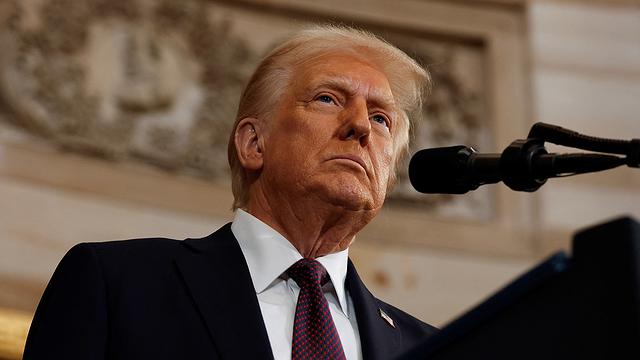
Asked about the increase in pumps, President Donald Trump stated that he is not worried about the increase and declared that the military operation is more important than the price of fuel.
“They will fall quickly when this is over, and if it goes up, it goes up,” he said in an interview with Reuters this Thursday (5).
Oil prices have also soared on international markets since the start of the conflict. Crude oil futures contracts, which reflect the expected price of the fuel on international markets, have risen more than 16% since the beginning of the imperialist action.
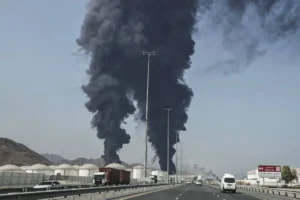
The military escalation directly hit the Persian Gulf region, one of the most strategic areas for global energy supplies. Oil tankers began to face increasing risks when navigating through the Strait of Hormuz, a maritime corridor through which more than a fifth of the oil transported by sea in the world passes.
Attacks and threats against commercial vessels have been recorded in the region, according to international maritime monitors, fueling market volatility and further putting pressure on oil and fuel prices.
In the United States, the effects are already appearing in bombs. Data from automobile association AAA indicates that the national average price of gasoline has reached about $3.25 per gallon, after rising more than 25 cents in just one week. The value already exceeds that recorded at the beginning of Trump’s current term.
Diesel, an essential fuel for transporting goods, also registered a strong increase. A gallon reached around US$4.33, after rising approximately 40 cents in one week, reaching the highest level since 2023. The increase tends to put pressure on logistical costs and could be reflected in new price adjustments for consumers.
Energy experts point out that instability in the Gulf has a direct impact on the global oil market, regardless of whether or not the product is exported directly by Iran. The risk for oil tankers and insurers in the region could reduce the flow of ships and restrict international supplies.
“Even if the oil does not come directly from Iran, the difficulty for tankers to obtain insurance to cross that region could disrupt or slow the global flow of oil,” said Josh Rhodes, a researcher at the Webber Energy Group at the University of Texas at Austin, in a statement to New York Times.
Read also: UN agency says it sees no evidence of nuclear weapons in Iran
The rise in energy could also spread across different sectors of the economy. Higher fuel costs tend to affect transportation, industrial production and global supply chains, in addition to raising the prices of air tickets and merchandise.
The economic pressure comes at a politically sensitive time for the White House. The United States is preparing for midterm elections in November, when control of Congress will be up for grabs.
To the North American press, political analysts point out that prolonged increases in the price of gasoline tend to have a strong impact on the mood of the North American electorate, especially in periods of high inflation and pressured cost of living.
Behind the scenes, the White House is already discussing possible measures to contain the rise in energy. Authorities held talks with oil sector executives and are evaluating alternatives to stabilize the markets.
Among the options discussed are incentives for maritime oil transport in the Persian Gulf, the possibility of naval escorts for oil tankers in the Strait of Hormuz and insurance mechanisms for vessels operating in the region.
Other measures under consideration include the temporary suspension of the federal tax on gasoline and the relaxation of environmental rules for fuels sold in the summer, which would allow higher blends of ethanol.
Trump, however, has ruled out for now tapping into the Strategic Petroleum Reserve — the world’s largest emergency crude oil stockpile — to try to contain prices.
Despite market turbulence, the government is betting that the impact of the war on energy prices will be temporary. White House advisers estimate that the initial shock to the markets could dissipate if the conflict does not cause a prolonged interruption in the flow of oil in the region.
Still, experts warn that the outcome of the war remains unpredictable and that instability in the Persian Gulf could continue to pressure energy markets in the coming weeks.
Read also: Israel bombs Lebanese capital and imposes forced displacement on the country
Read also: UN condemns US and Israeli attacks on Iran and demands ceasefire
Source: vermelho.org.br