Published 02/02/2026 14:18 | Edited 02/02/2026 19:21
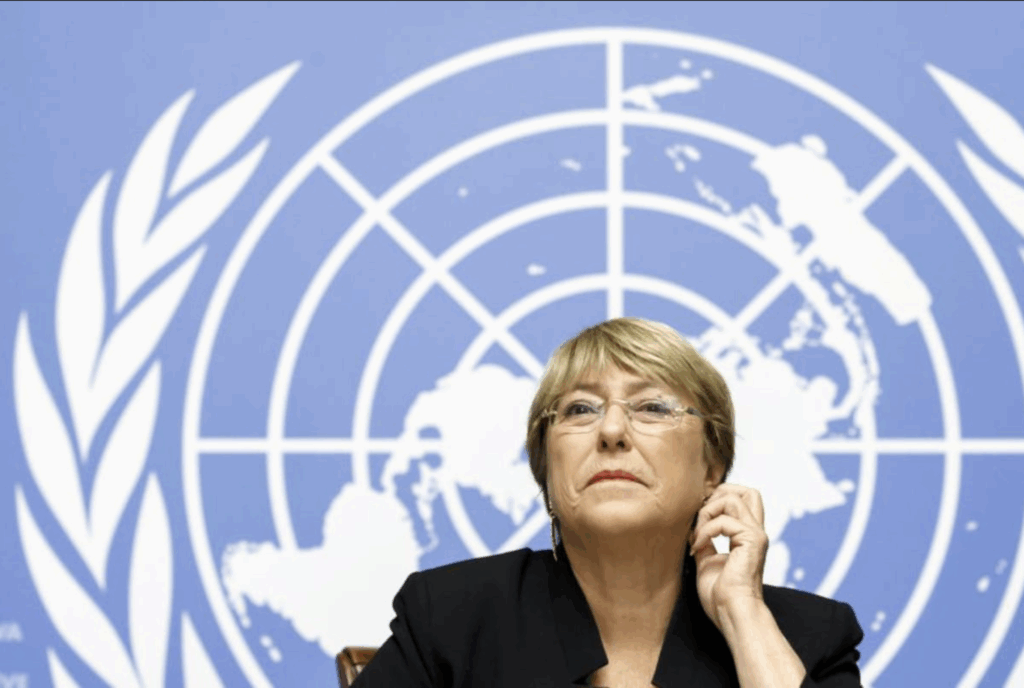
By declaring support for Michelle Bachelet’s candidacy for the UN General Secretariat, President Luiz Inácio Lula da Silva repositions Brazil in the debate on the future of multilateralism. The public demonstration, held this Monday (2), goes beyond personal endorsement: it inserts the country into a political articulation that combines gender representation, Latin American leadership and reform of the international system.
“It is time for the organization to finally be led by a woman,” wrote Lula, justifying his support for the former Chilean president, at a time when the UN is facing questions about its ability to respond to armed conflicts, humanitarian crises and democratic setbacks.
The symbolic strength of a woman at the head of the UN
The defense of a woman in charge of the UN has historic weight. In almost 80 years of existence, the organization has never been led by a woman, despite women representing more than half of the world’s population. Lula had already raised this criticism in November 2025, during the Celac–EU summit, and now turns it into concrete action.
In the presidential speech, Bachelet appears as a synthesis between institutional experience and the rights agenda, attributes considered strategic in an international scenario marked by polarization, prolonged wars and the weakening of multilateral consensus.
Trajectory that dialogues with the crisis of multilateralism
Michelle Bachelet brings together a rare CV in the international system. Twice president of Chile, she was also Minister of Defense and Health — a career that gave her a foothold in both domestic politics and global diplomacy. At the UN, she played a central role in the creation and consolidation of UN Women, as its first executive director, institutionalizing the gender equality agenda.
Later, as UN High Commissioner for Human Rights (2018–2022), she worked to report violations, protect vulnerable populations and advance the recognition of the human right to a clean and sustainable environment. For Lula, this combination of political pragmatism and normative commitment qualifies Bachelet to lead the organization in times of crisis.
Latin America as a bloc — and in dispute
Brazil’s support adds to endorsements from Chile, governed by Gabriel Boric, and Mexico, under the presidency of Claudia Sheinbaum, forming a Latin American axis around the candidacy. Boric said he was “proud” to make Bachelet’s registration official, highlighting the region’s symbolic weight on the global stage.
Still, the dispute is not consensual. Bachelet is competing with at least two other Latin Americans: Rebeca Grynspan, from Costa Rica, current secretary general of Unctad, and Rafael Grossi, Argentine, director general of the International Atomic Energy Agency (IAEA). The scenario indicates that Latin America can gain prominence — but it also runs the risk of fragmenting forces.
UN reform and criticism of global governance
Lula’s support occurs in parallel with his open defense of structural reforms at the UN, including questioning the right of veto in the Security Council. The Brazilian president has criticized the organization’s actions in conflicts such as those in Ukraine and the Gaza Strip, pointing out the limits of international governance designed in the post-war period.
The succession of António Guterres, who leaves office on December 31 after a decade at the helm of the UN, takes place in what analysts classify as the organization’s biggest legitimacy crisis since its founding. US President Donald Trump’s proposal to create a parallel body — the so-called “Peace Council” — is seen by diplomats as an attempt to empty the multilateral system.
More than a name, a sign
By supporting Michelle Bachelet, Lula does not just choose a candidate: he signals a political project for the UN. A project that articulates female leadership, the voice of the Global South and the defense of multilateralism in an increasingly fragmented world. The outcome of the dispute is still uncertain, but Brazil’s gesture repositions the country on the diplomatic board and places Latin America at the center of the debate on the future of the United Nations.
Source: vermelho.org.br