Published 02/09/2026 13:51 | Edited 02/09/2026 19:55
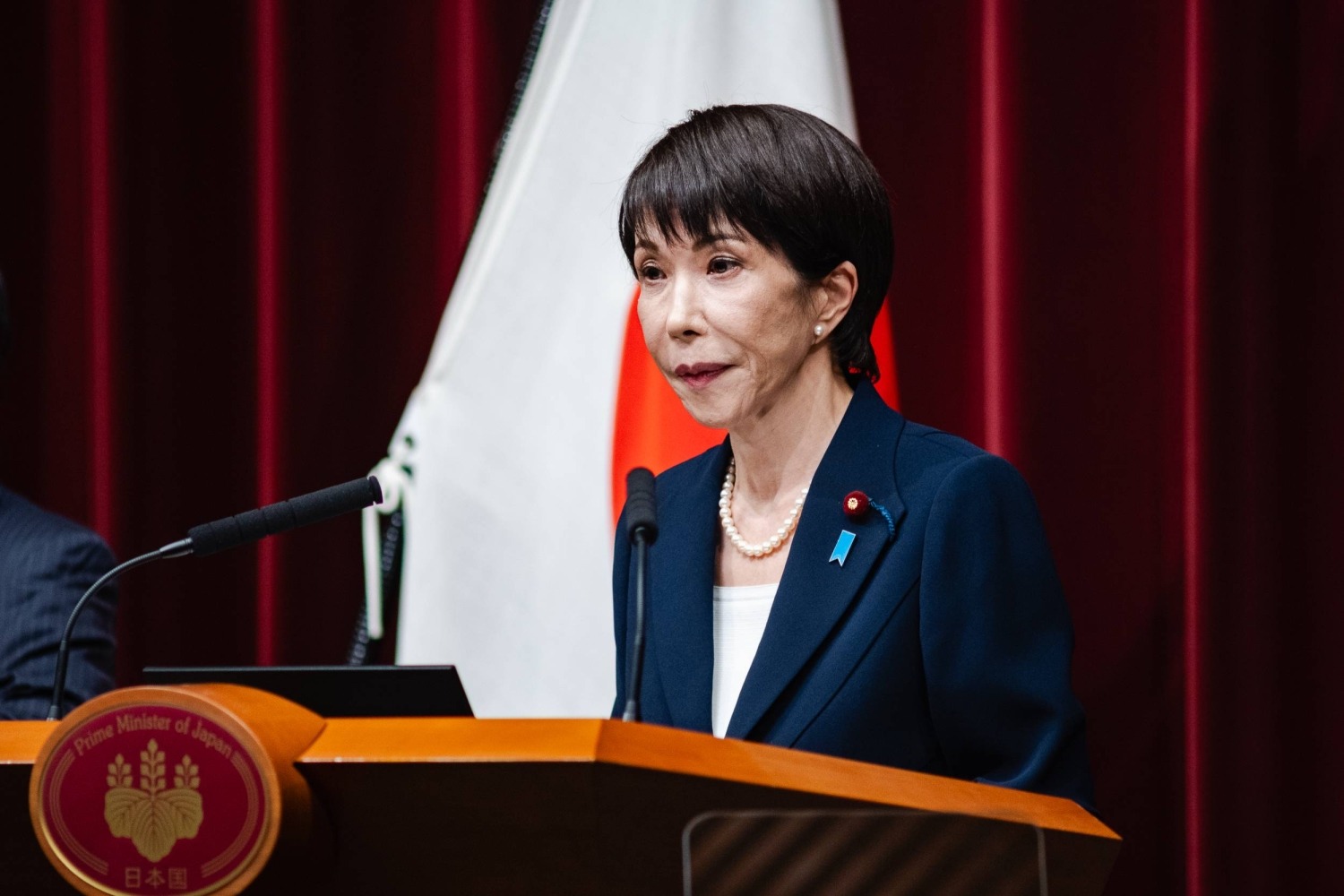
The coalition led by Prime Minister Sanae Takaichi won the general elections in Japan this Sunday (8) and secured 350 of the 465 seats in the House of Representatives, guaranteeing a qualified majority of two thirds in Parliament.
The result strengthens the right-wing government at a time of growing tension in East Asia, especially in its relationship with China.
The governing bloc is headed by the Liberal Democratic Party (LDP), a conservative party that dominates post-war Japanese politics. With the supermajority, the coalition has room to approve changes that require a high quorum, including the formal opening of a constitutional review process.
The focus of tension falls on Article 9, a provision that limits the use of the Armed Forces to strictly defensive functions. Although any change still depends on a referendum, the new parliamentary design removes the main legislative obstacle.
In November 2025, Takaichi opened the biggest recent diplomatic crisis between Japan and China by stating, in the Japanese Parliament, that a possible Chinese attack on Taiwan could constitute an “existential threat” to Japan — a framework that would allow the country to exercise the right of collective self-defense.
For Beijing, the prime minister’s position signaled the possibility of Japanese military involvement in a conflict in the Taiwan Strait and represented interference in an issue that the Chinese government classifies as an internal matter,
During the campaign, Takaichi advocated increasing the defense budget, expanding deterrence capabilities, and deepening strategic coordination with the United States.
The agenda is presented by the government as a response to regional instability and the environment of strategic competition in the Indo-Pacific.
China reacts and demands retraction for statements about Taiwan
Beijing’s reaction was immediate after confirming the government’s victory. In a press conference this Monday (9), Chinese Foreign Ministry spokesperson Lin Jian once again demanded that Tokyo withdraw the “erroneous statements” made by Takaichi about Taiwan and adopt “concrete actions” to preserve the political basis of bilateral relations.
According to Lin, the election is an internal matter for Japan, but it reflected “structural issues and ideological trends” that deserve attention from the international community.
The spokesperson stated that the Japanese government must follow the path of peaceful development, respect the four political documents signed between China and Japan and not “return to militarism”.
Beijing reiterated that the prime minister’s position on Taiwan violates commitments made by Tokyo and interferes with Chinese “core interests”.
The message, according to the spokesperson, is “very clear”: China is determined to defend its sovereignty, the post-war international order and to react to any provocation or behavior that it considers reckless.
The Chinese government also warned that forces on the Japanese right that “miscalculate” the scenario could face internal resistance and reaction from the international community. The tension occurs in a symbolic year — 80 years since the start of the Tokyo trials — which, according to Beijing, requires Japan to reflect on its militaristic past.
Source: vermelho.org.br