Published 02/10/2026 14:55 | Edited 02/10/2026 15:22
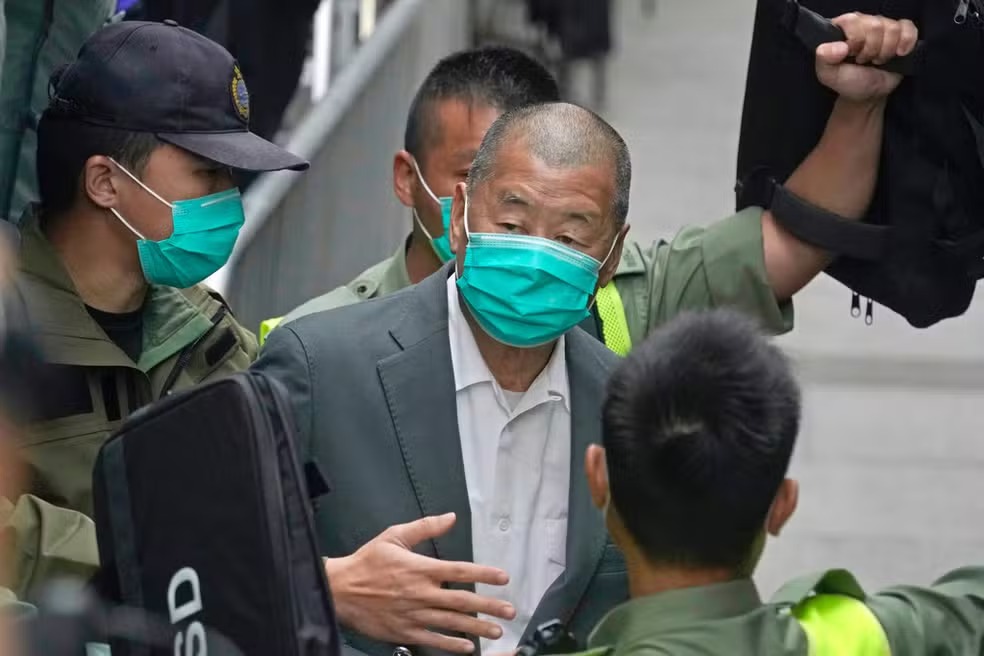
The Hong Kong High Court on Monday (9) convicted billionaire businessman Jimmy Lai of the media sector for crimes related to collusion with foreign forces and organizing activities considered to destabilize public order.
Contrary to the Western narrative and the mainstream press, which describes him exclusively as a “pro-democracy activist”, the accusation maintains that the Chinese tycoon systematically coordinated with foreign actors — including international lobbying for sanctions against Hong Kong and China — in a context of intense political turbulence between 2019 and 2020.
Founder of the newspaper Apple Dailynow defunct, Lai was found guilty of two counts of conspiracy to collude with foreign forces and one count of conspiracy to publish and distribute seditious material.
The sentence was defined by a panel of three High Court judges, based on national security legislation imposed by Beijing in 2020.
According to the indictment, Lai organized international campaigns to pressure foreign governments to impose sanctions against Hong Kong and China, during the period of political instability that marked the 2019 protests.
For local authorities, the case was not limited to political opinion or journalistic activity, but rather coordination with external actors with a direct impact on national security.
The legislation provides for penalties ranging from ten years to life in prison for collusion crimes considered serious. At 78, Lai will be able to request a reduction of one third of his sentence for good behavior. If he completes his sentence in full, he will be able to leave prison in 2044.
In addition to him, six former executives from Apple Daily Those who pleaded guilty received sentences of between six years and nine months to ten years in prison. Companies associated with the newspaper and two activists were also convicted in the process.
The sentence provoked reactions from Western governments and international organizations, which criticized the decision. In response, the Chinese government reaffirmed that national security in Hong Kong is the responsibility of the State and that the process followed the legal parameters in force in the region.
Source: vermelho.org.br