Published 03/09/2026 14:32 | Edited 03/09/2026 14:59
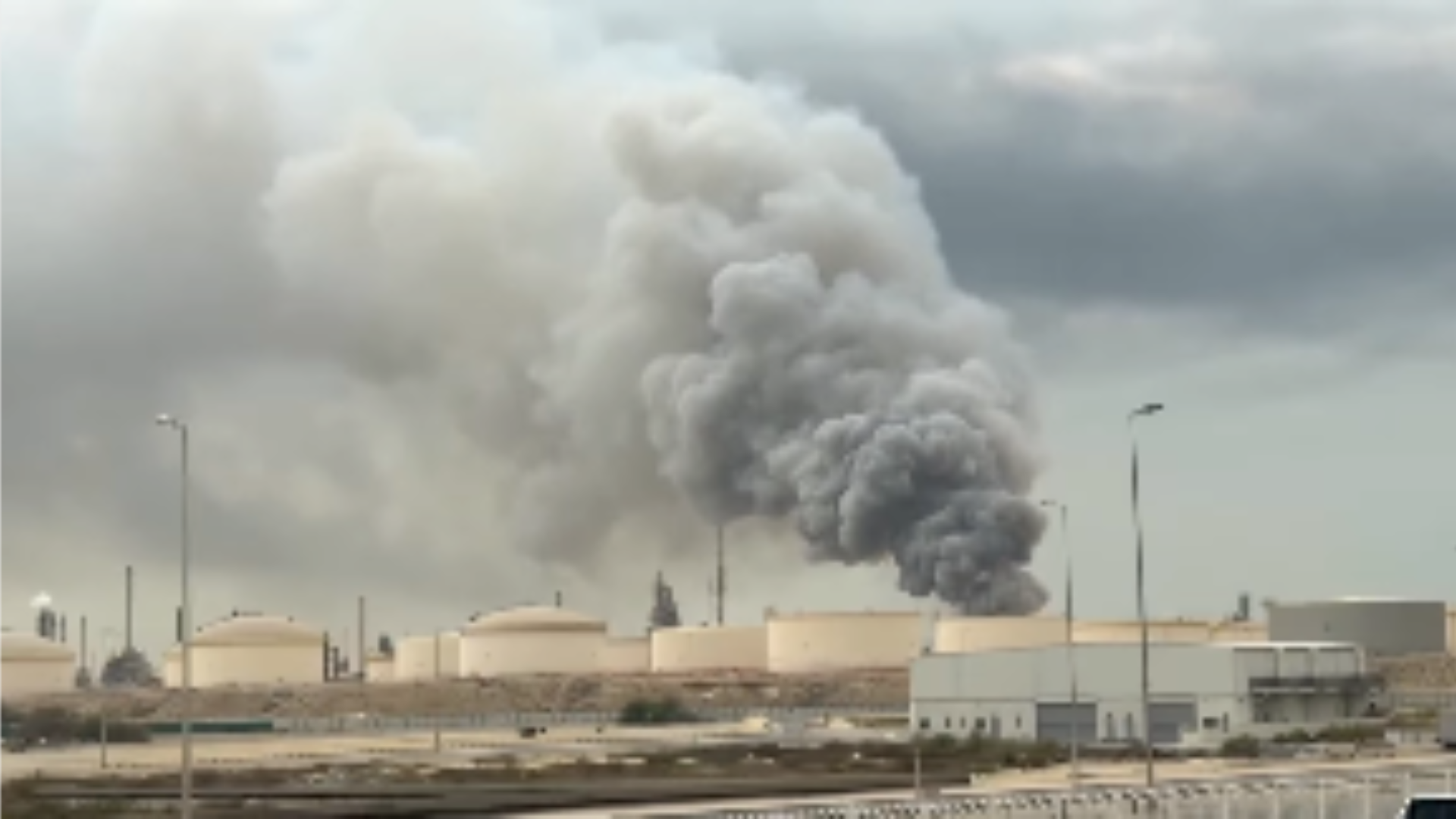
Iran’s recent counterattack to US and Israeli aggression that hit the Al Ma’ameer refinery (Bahrain) raises the emergency signal in global markets. The damage led the company to suspend production at the facility, which had just completed a modernization program last year, increasing processing capacity from 265,000 to 380,000 barrels per day (bpd).
From a strategic point of view, the refinery is an essential logistical node for the operational support of the US Fifth Fleet in the region. The interruption of this unit restricts the supply of North American ships and planes and removes a critical volume of medium fuels (diesel and aviation kerosene) from the market. The episode exposed the fragility of energy infrastructure and sent the barrel soaring to levels not seen since 2022.
Oil as a weapon of war
For professor Euzébio Jorge Silveira de Sousa, from the UFRJ Institute of Economics, the current instability is of “great magnitude” and marks the return of oil as a weapon of war. He explains that the most delicate period in which this occurred was the shock of 1973 (when OPEC reacted to the West’s support for Israel during the Yom Kippur War), “That shock was brutal for the global economy. It ends the golden period of capitalism, in which there was an increase in productivity, profits and wages. Oil quadrupled in price and the impact was so great that countries had to contain economic activity and reduce growth to use less fuel”, says the professor.
Sousa highlights that the current scenario in the Strait of Hormuz reproduces the logic of uncertainty that causes prices to skyrocket in anticipation, even before a consolidated physical shortage. The professor draws a parallel with the 1979 crisis, when the fall of the regime of Mohammad Reza Pahlavi — the Iranian Shah supported by Washington — doubled barrel prices. At the time, the US response was to raise the interest rate to 20% (the so-called Volcker Shock), a measure that drained global liquidity and pushed Latin America into the “debt crisis” and the so-called lost decade. “If there is a possibility of prices rising, those who have oil tend to retain supply to sell further ahead with the price much higher. The barrel already exceeding 100 dollars is an indication that a period of great instability will occur”, warns the professor.
Strategic error: underestimating resistance
A central point of Euzébio Sousa’s analysis is the miscalculation of Washington and Tel Aviv. According to him, the United States and Israel did not count on the resistance potential that Iran constituted. “The United States claims to have the capacity to escort oil tankers through the Strait of Hormuz. However, which ship captain is willing to take that risk?”, asks the economist.
He highlights that the impact is unprecedented: not only does 20% of the world’s oil pass through Hormuz, but also natural gas and rare earth minerals essential for the military and technological industries. “What is clear is that not only the Middle East, but the world, Asia and Europe, are hostage to yet another conflict”, he points out.
The end of technological hegemony and the power of weapons
Expert analysis points out that North American aggressiveness masks structural decay. Sousa is emphatic in saying that it is “increasingly evident” that the US has lost the technological dispute and the capacity for efficient industrial production in strategic sectors. “What remains for them is to be able to pressure other countries through the power of the dollar and the power of weapons. Once again, the world finds itself hostage to these two pillars of the United States”, says Sousa.
In Brazil, this pressure is felt in consumers’ pockets, especially workers. Although Petrobras profits from the export of crude oil, the dependence on imported derivatives — the result of neoliberal policies — pushes for a 15% increase in fuel prices for transport and for Brazilians’ tables, via fertilizers and freight.
While Donald Trump distills imperialist arrogance by demanding “approval” for Iranian internal leadership, the reality drawn by Sousa is one of a deep crisis. The root of the problem remains: Trump’s insistence on maintaining a hegemony that is no longer sustained by productivity, but only by the military and economic destabilization of sovereign nations. The scenario going forward, concludes the professor, is one of “instability and the possibility of a deep economic crisis”.
Source: vermelho.org.br