Published 03/12/2025 13:39 | Edited 12/03/2025 14:09
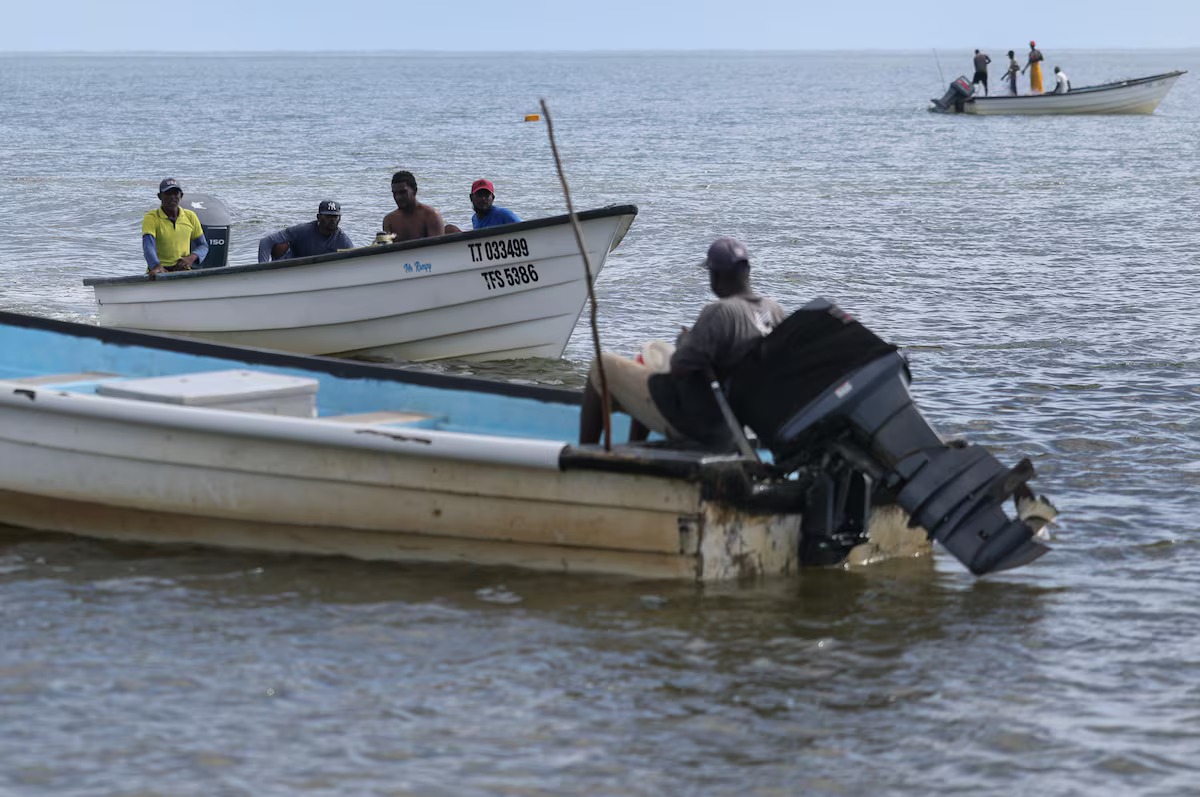
The family of Colombian fisherman Alejandro Andrés Carranza Medina, 42, this week presented the first formal international complaint against the campaign of military attacks ordered by President Donald Trump in the Caribbean and the Pacific.
The case was taken to the Inter-American Commission on Human Rights (IACHR), in Washington, and directly accuses the United States of having carried out an extrajudicial execution in the September 15 bombing — an episode until then treated by the White House as an action against “Venezuelan narco-terrorists”.
The petition, signed by Katerine Hernández Bernal, wife of the victim, states that “the United States military bombed the boat of Alejandro Andrés Carranza Medina […] and Mr. Carranza was killed in the course of this bombardment.”
The document maintains that the US violated fundamental rights set out in the American Declaration of the Rights and Duties of Man, including the right to life, due process and equality before the law.
Human rights lawyer Dan Kovalik, representing the family, told CNN that “these killings violate international law. They violate U.S. law,” and that the aim of the action is to stop the attacks and seek redress.
“We want this to stop, and we believe this is at least a first step towards making that happen,” he said.
The IACHR expressed concern about the escalation of bombings. In a statement released on Wednesday (3), he declared that the United States must ensure that extraterritorial operations respect “the right to life, the proportional use of force, guarantees of due process and accountability mechanisms”.

The Latin American complaint comes amid international condemnation. The UN High Commissioner for Human Rights, Volker Türk, stated that the US attacks constitute “violations of international law”, while entities such as Human Rights Watch and Amnesty International classify the bombings as “extrajudicial executions”.
The IACHR will analyze whether to admit the case. If he accepts, he will be able to request formal information from the US, recommend an immediate end to the bombing policy and demand an investigation into the deaths and reparations to the families. The next step may include sending the case to the Inter-American Court of Human Rights, whose decisions are binding.
In the USA, the international denunciation deepens the isolation of the White House. The pressure especially affects Defense Secretary Pete Hegseth, whose conduct was “ratified” by Trump, according to the petition.
“The petition I filed on behalf of Carranza’s wife and children is the first formal complaint against attacks in the Caribbean and the Pacific, and we believe there will be more to come,” says Kovalik.
Trump’s military escalation: serial deaths and pressure for investigation
The military campaign ordered by Trump began in September under the argument of attacking vessels linked to drug trafficking — a justification contested by governments in the region and by analysts, who see the offensive as part of the psychological pressure to overthrow Nicolás Maduro and regain North American control over the largest oil reserves in the world.
Since then, there have been 22 attacks in the Caribbean and the Pacific, leaving around 83 people dead, according to data confirmed by CNN, Reuters e Washington Post. Reports from Latin American governments indicate that the majority of victims were fishermen, migrants and informal workers, and not cartel members.
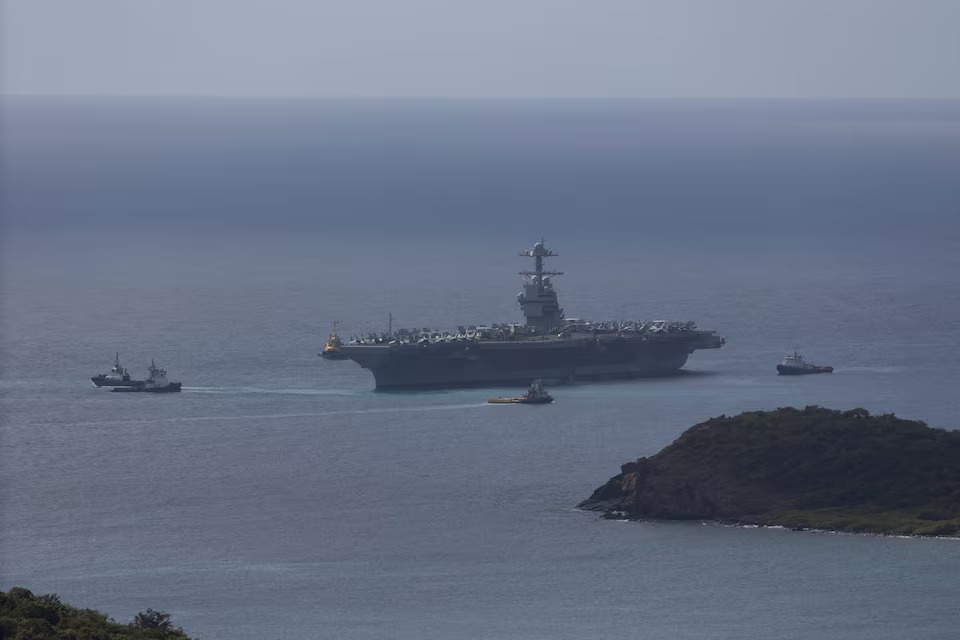
Operation Southern Spear employs MQ-9 Reaper drones, F-35 fighters, Navy helicopters and destroyers deployed simultaneously to the Caribbean and the Pacific. Analysts consider that the contingent — more than 15 thousand soldiers — exceeds standards for anti-drug operations and constitutes a geopolitical escalation in the region.
The most serious case, investigated by Congress, occurred on September 2, when 11 Venezuelans died after two shots were fired at the same vessel. The video released — 29 seconds edited — only shows the first impact.
As revealed by the Washington Post, the attack occurred in two stages. In the first bombing, the explosion destroyed the vessel and killed most of the crew. Two survivors remained alive, clinging to debris at sea.
Operation sources claim that, upon being informed of this situation, Pete Hegseth gave a verbal order that “no one be left alive”, an instruction that would have led Admiral Frank M. Bradley to authorize a second shot to kill the castaways — a practice prohibited by International Humanitarian Law and by the United States’ own military regulations.
Following the revelations, the White House attempted to place responsibility solely on Bradley.
“Not only does international law prohibit attacking survivors, it requires rescuing, protecting and treating them as prisoners of war. Violations of these obligations are war crimes, murder or both,” said a group of the country’s former military lawyers.
The House and Senate Armed Services committees require the Pentagon to turn over full video, audio and written orders. Senator Mark Kelly declared that Hegseth must testify “in public and under oath.” Republicans like Roger Wicker have also called for investigations.
Political tension increased after Trump promised “new attacks very soon” and after the White House tried to assign operational responsibility solely to Bradley, while Hegseth stated that “we have just started killing narco-terrorists”.
This Tuesday (2), parliamentarians from both parties announced that they will trigger the War Powers Resolution if Trump orders any attack inside Venezuela.
Democrats Tim Kaine, Chuck Schumer and Adam Schiff, and Republican Rand Paul, said in a joint statement that “unauthorized military action against Venezuela would be a colossal and costly mistake.”
In the Chamber, Jim McGovern, Joaquin Castro and Thomas Massie presented a parallel resolution with the same objective.
Colombian reaction and new diplomatic fronts in the region
Carranza’s death became a critical test for Latin American diplomacy. The President of Colombia, Gustavo Petro, has intensified criticism since the end of October, when he reported that the September 15 attack had killed “a fisherman with no links to drug trafficking” and that the operation could have taken place in Colombian waters.
“Carranza was a fisherman his whole life and his boat was displaying a distress signal because it had damage to the engine,” said Petro in a meeting with the victim’s family on November 8.
“Even though he agreed to transport prohibited goods because of his financial situation, his actions never merited the death penalty,” he added.
The Venezuelan government classified the US offensive as a “hostile and colonial act”, increasing regional tension generated by operations that affect inhabitants of Venezuela, Ecuador and Colombia — many of them fishermen and migrants who disappeared after US attacks.
Petro defends the creation of a commission of Colombian lawyers to investigate possible “crimes in the Caribbean” and protect families of victims. Diplomats from the region believe that the petition about Carranza could encourage other families to take cases to the IACHR, opening an unprecedented front of international accountability against Washington.
Meanwhile, the White House remains silent on Carranza’s death. The State Department only stated, in March, that the US “is a strong supporter of the IACHR” and that “preserving the commission’s autonomy is a pillar of human rights policy.”
With troops, drones and warships still deployed in the region, Trump repeated that “new attacks are expected to occur very soon.” The Colombian denunciation thus becomes the first institutional movement capable of imposing limits on the North American military escalation.
Source: vermelho.org.br