Published 01/31/2026 11:26 | Edited 01/31/2026 11:29
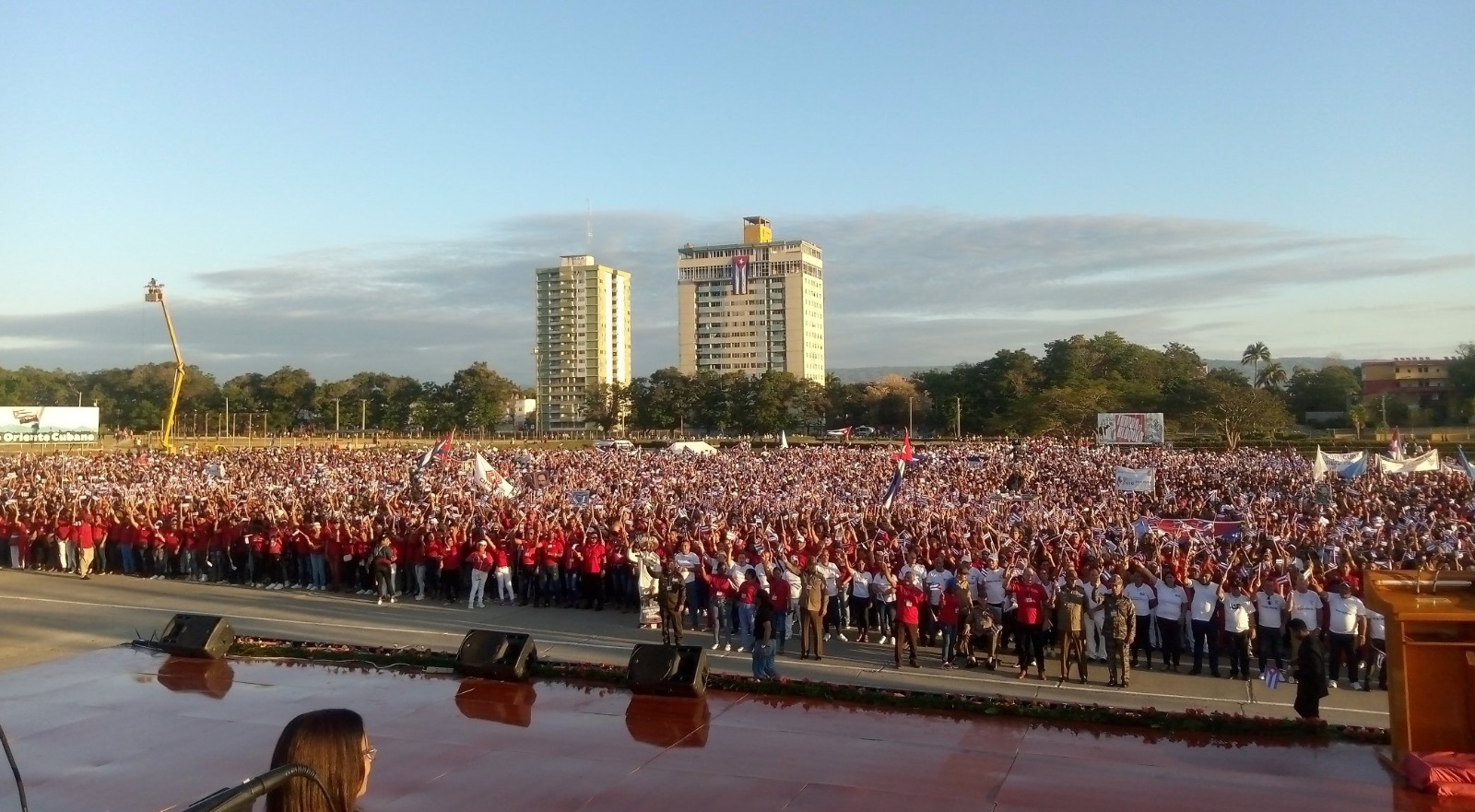
Cuba’s response to the United States’ new aggression was immediate and arrogant. Chancellor Bruno Rodríguez Parrilla condemned “in the strongest terms” Donald Trump’s decision to impose a total blockade of fuel supplies, classifying it as a brutal act of economic warfare. In Havana, popular reaction spilled over into the streets: thousands of people, led by President Miguel Díaz-Canel, participated in anti-imperialist acts, reaffirming that the island will not bow to the “national emergency” manufactured by the White House. Rodríguez Parrilla denounced that Washington uses a “list of lies” to paint Cuba as a threat, when, in fact, “the only evil influence in the region is North American foreign policy, which is now trying to impose extreme living conditions on the Cuban people.”
Entities and parties condemn North American aggression
In Brazil, the mobilization in solidarity with the island received fundamental reinforcement from the National Union of Students (UNE). The student entity expressed complete rejection of the measure, defining the siege as a “criminal attack” that aims to stifle the daily lives of families and the functioning of essential services, such as universities and Cuban health centers. For UNE, Trump’s attack is an attempt to punish the island’s youth for defending its sovereign project. This position adds to the note from the National Executive of the PCdoB, which warned of the “new level of economic war” and the revitalization of the Monroe Doctrine, calling on militancy for an uncompromising defense of Cuba’s sovereignty in the face of what they classify as a planned economic genocide.
Cuba receives international support
The international repercussion also isolates the US’s aggressive stance. China reacted promptly, promising help for Cuba to overcome the energy blockade and condemning what it called Washington’s “barbaric practices”. Beijing reinforced that the island is not alone and that strategic cooperation between the two countries will be intensified to guarantee the necessary supplies. In the region, the president of Mexico, Claudia Sheinbaum, warned of the risk of a far-reaching humanitarian crisis, while other progressive governments see the measure as a mechanism of “global vassalage”, where no sovereign state will be able to feel safe from Trump’s tariff blackmail.
Source: vermelho.org.br