Published 16/09/2025 16:04 | Edited 16/09/2025 16:08
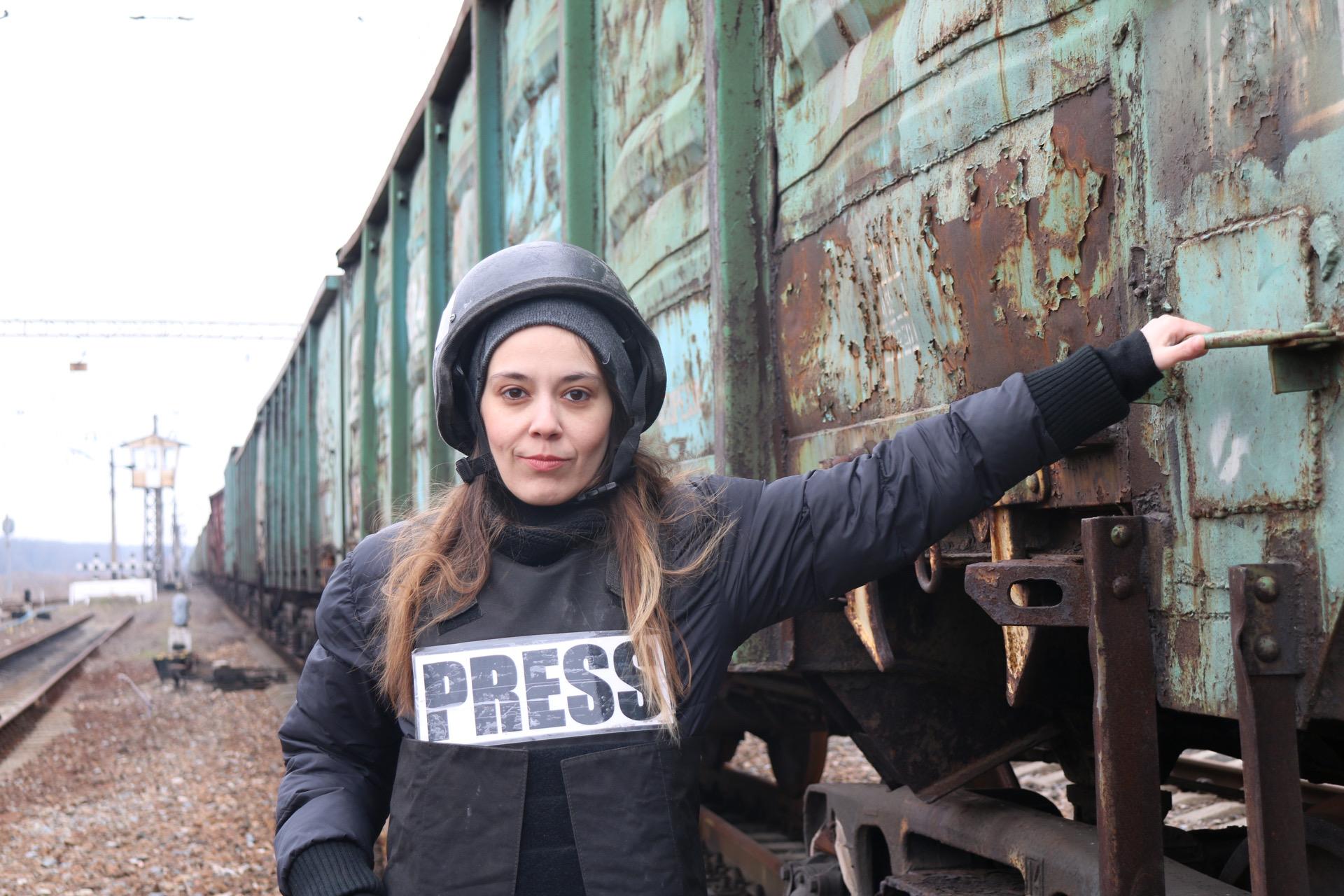
The correspondent Stefani Costa, from Opera Mundi, became the target of another escalation of violence from the far right in Portugal. A militant identified as Bruno Silva publicly offered an apartment valued at 300,000 euros to those who promoted a massacre against Brazilians and a 100,000 euros bonus to whom he handed over the reporter’s head.
The severity of the episode shows how hate speeches, xenophobia and racism have been normalized on social networks. Stefani, who had already been threatened by the same individual in 2024 when he received a picture of him displaying weapons, reported the case to the prosecutor, who opened an inquiry under secret justice. However, investigations are slow, difficult for the lack of cooperation of digital platforms to identify extremist profiles. “I’ve been giving several testimonials, but the case is walking very slowly,” he said.

Press freedom under attack
Despite the intimidation, the journalist says she will not be silent: “I believe it is essential to expose this situation, because it also represents an affront to the exercise of journalism and freedom of the press,” he said. For her, the case is not just an individual attack, but a collective threat that requires firm response. “When this type of threat is normalized, everyone becomes hostage. It is important for Brazilians to organize and cover the Portuguese authorities against xenophobia and racism,” he added.
Stefani also requested mobilization of the Brazilian government, noting that immigrants such as it built lives in Portugal: “We contributed to the development of Portugal and are part of society. Therefore, we deserve to be treated with respect and dignity,” he said.
Reactions and investigations
The case generated manifestations of repudiation. The Foreign Press Association in Portugal (AIEP) condemned the threats and demanded rigor from the authorities. The Brazilian Press Association (ABI) also positioned itself in solidarity with the reporter. Organisms such as the European Digital Media Observatory (EDMO) had already warned that Portugal became a European epicenter of fake news linked to immigration, which has fueled xenophobic violence.
President Marcelo Rebelo de Sousa was officially informed about the case. The episode is expected to press the Portuguese government to harden measures against right -wing extremists who use networks to incite violence. According to the journalist’s lawyer, the author of the profile investigated on social networks resides in Vila Real, in the north of the country.
Stefani’s case reveals the urgency of a firm response from the Portuguese state against hatred crimes and press attacks. Defending the lives of journalists and immigrants is also to defend democracy.
__
With information from agencies
Source: vermelho.org.br