Published 12/09/2025 13:32 | Edited 10/12/2025 08:03
The Brazil-China Parliamentary Group completed an extensive agenda in the Asian country between the 1st and 6th of this month, when it debated in parliament and ministries sensitive topics and strategic interests of Brazilian trade such as soybeans and meat imported by the Chinese.
The matter was debated in the capital Beijing during the 5th Session of the Parliamentary Exchange Mechanism, in meetings at the Ministry of Commerce and the Council for the Promotion of International Trade.
“The maintenance of soybean imports from Brazil by China was debated. The agenda arose in the context of pressure from the United States for China to resume purchases of North American soybeans, demonstrating the importance of dialogue for the security of the Brazilian agricultural market”, explains the president of the group, deputy Daniel Almeida (PCdoB-BA).
According to him, another important issue was the debate over the suspension of safeguards imposed by China on Brazilian beef. “This restrictive measure had been initiated in December 2024 to investigate possible effects of the imported product on the Chinese domestic market”, he recalls.
The president of the Parliamentary Group also highlights that the mission reinforces understandings between presidents Xi Jinping and Luiz Inácio Lula da Silva for cooperation in reducing greenhouse gases and confronting the consequences of climate change. Furthermore, he recalls that, in 2026, it will be the Brazil-China Year of Culture and Tourism.
Deputies Márcio Jerry (PCdoB-MA) and Lídice da Mata (PSB-BA) were also part of the delegation. The PCdoB Secretary of International Relations, Ana Prestes, advised the group on the visit.
Visits
In addition to Beijing, there were meetings in the cities of Shanghai, Nanjing and Lianyungang. The objective was to improve political, economic and cultural exchange, with a focus on industrial, scientific and commercial cooperation.
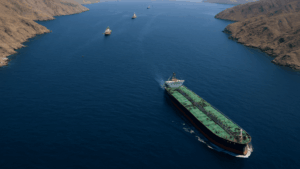
Another visit was to the Lianyungang Port Group, an important destination for soybean and mineral cargo from Brazil. The deputies discussed studies on site for a new maritime route connecting the Chinese port to Salvador (BA), where a technical visit by the Chinese is planned in 2026.
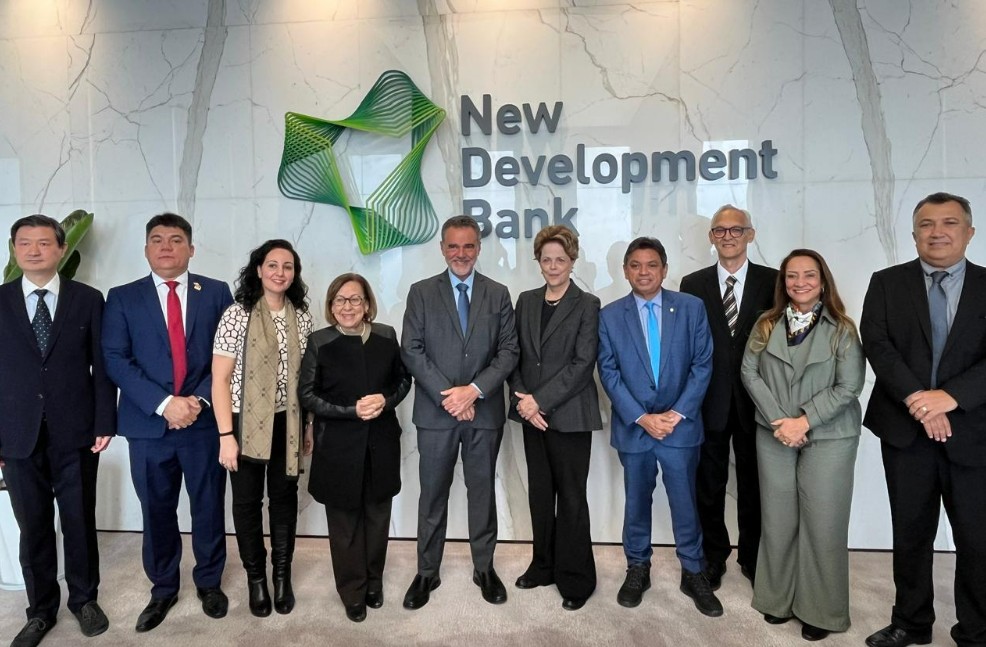
The delegation visited the president of the New Development Bank (NDB, the BRICS bank), Dilma Rousseff, who spoke about the institution’s governance and the synergy between the Chinese Belt and Road Initiative and Brazilian programs such as the PAC and Nova Indústria Brasil.
In Nanjing, parliamentarians visited Hohai University which, in partnership with the Federal Rural University of the Amazon (Ufra), is developing a project to restore the Amazon forest and recover land used by family farming.
The debates and visits on the extensive agenda, which deepened bilateral relations, should result in new initiatives by the parliamentary group.
Source: vermelho.org.br