Published 03/12/2026 12:13 | Edited 03/12/2026 20:43
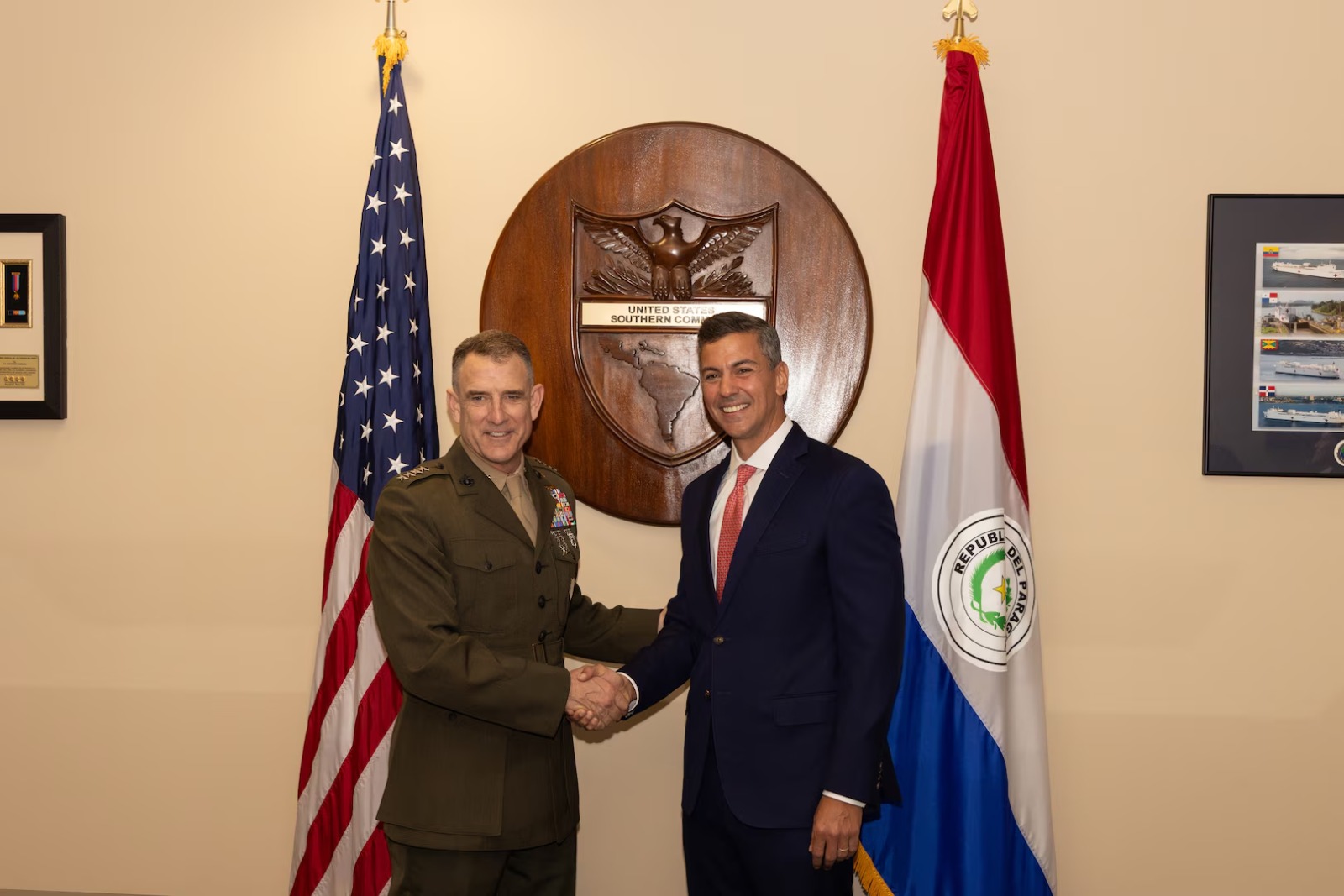
Paraguay’s Congress approved this Tuesday a military agreement with the United States that paves the way for the presence of American troops, equipment and personnel in the country, with access to areas close to the border with Brazil through Paraná.
The treaty, known as the Status of Forces Agreement (SOFA), was approved in the Chamber of Deputies by 53 votes in favor, 8 against and 4 abstentions, after receiving approval from the Senate last week.
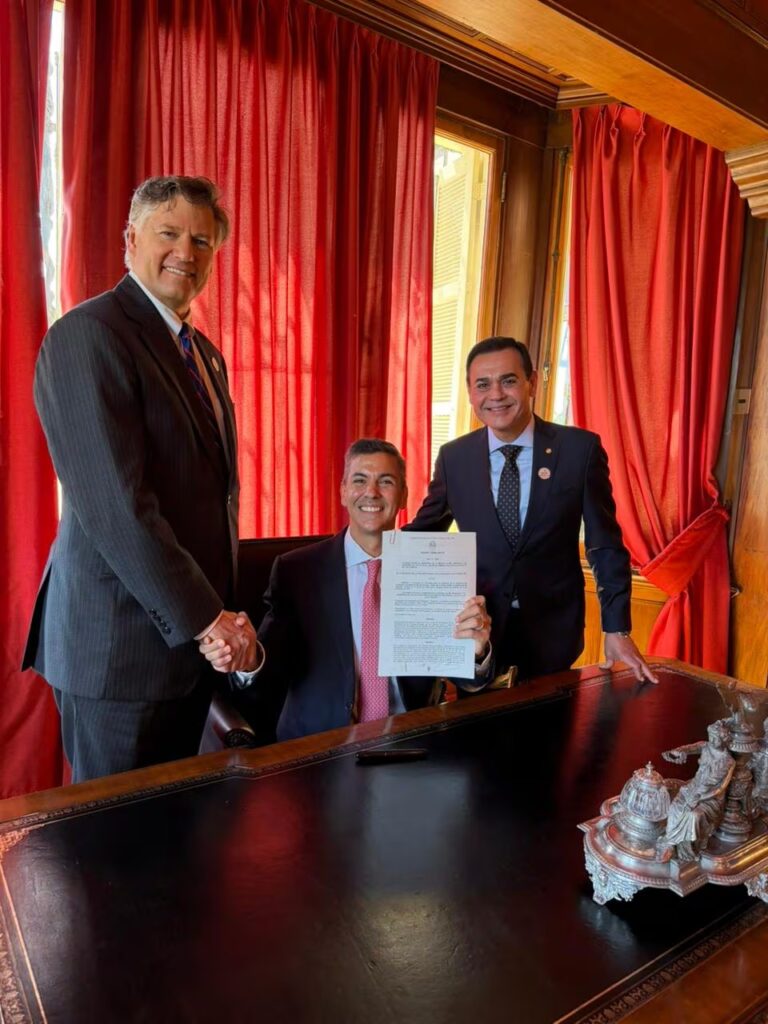
After being processed in Congress, the President of Paraguay, Santiago Peña, signed the agreement with the Assistant Secretary of State of the United States, Christopher Landau, in Chile.
The meeting took place during Peña’s trip to participate in the inauguration of the new Chilean president, José Antonio Kast.
The measure provokes attention in Brazil, as Paraguay shares a direct border with the country and the agreement opens up space for US military forces to operate in the region. Defense analysts are following the topic given the possibility of the presence of the largest military power in the world in areas close to Brazilian territory.
The agreement establishes a legal framework for the operations of United States forces in Paraguayan territory and provides for activities such as military training, joint exercises and security cooperation.
The treaty also grants immunities and prerogatives to North American military personnel and contractors and now goes to the Paraguayan Executive Branch for promulgation to enter into force.
According to the text of the agreement, the United States military will be able to introduce into Paraguay military equipment, supplies and materials linked to the activities provided for in the treaty, with exemption from customs inspections and controls.
The provision also establishes that these personnel will be subject to North American criminal jurisdiction, not Paraguayan justice, and will receive immunities equivalent to those granted to employees of diplomatic missions.
The agreement also authorizes the United States Department of Defense to operate its own telecommunications systems in Paraguayan territory, including the use of radio spectrum frequencies free of charge.
In practice, this allows US forces to maintain communications networks independent of national infrastructures.
The text also guarantees freedom of movement for United States military personnel, with access to installations, means of transport and areas necessary for the activities provided for in the treaty.
The presence takes place in a country that is part of the Triple Border region — which involves areas close to Foz do Iguaçu — considered by North American authorities to be a focus of attention in their security policy for Latin America.
The US signed the SOFA agreement with several countries and with different degrees of immunity to the US military. These include Ecuador, Guatemala, Bahamas, Japan, South Korea, Australia, Philippines, Bulgaria, Poland, Hungary, Germany, Italy, Spain and the United Kingdom.
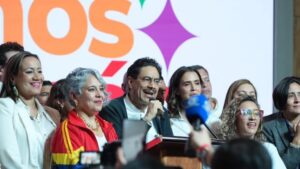
The processing of the agreement in the Paraguayan Congress was marked by criticism from opposition parliamentarians, who highlighted risks to national sovereignty.
Despite the large majority, the debate included questions about the prerogatives granted to US forces and the effects of the agreement on the country’s institutional autonomy.
Among the critics was independent deputy Raúl Benítez, who recognized the importance of international cooperation, but argued that it must occur on a balanced basis.
“We believe in international cooperation, but we also believe in strong States, respected institutions and real democratic sovereignty”, stated the parliamentarian during the legislative debate.
Another opponent of the treaty, liberal deputy Adrián ‘Billy’ Vaesken, called the approval an excessive concession to the United States.
According to him, “giving passage to this agreement is being a true legionnaire, a true anti-patriot”, arguing that the text grants criminal immunity and tax benefits to North American military personnel, diplomats and civilians who work in the country.
Vaesken also warned that the pact could pave the way for foreign access to strategic information about Paraguayan natural resources, citing reserves of groundwater, gold, lithium and uranium.
The approval of the agreement also generated a reaction from sectors of Paraguayan civil society, who criticized both the content of the treaty and the speed with which it was approved by Congress.
Human rights organizations say the pact expands privileges granted to foreign forces and could compromise the country’s legal sovereignty.
In a statement released after the initial approval of the agreement in the Senate, the organization Servicio Paz y Justicia (Serpaj) — a Latin American entity dedicated to the defense and promotion of human rights — stated that national security cannot be built with the presence of foreign troops protected by legal immunities.
“The security of a people is not built by importing troops or shielding foreign agents with diplomatic immunities,” declared the entity.
The organization also criticized the political and legal effects of the treaty, stating that the agreement represents a dangerous precedent for the country’s autonomy. According to the statement, the alliance “does not represent an advance in security, but the formalization of a geopolitics of impunity that violates the pillars of our national dignity.”
The approval of the agreement comes amid Washington’s broader strategy to expand its military presence and intervention capacity in Latin America, a region historically treated by the United States as an area of strategic influence.
Source: vermelho.org.br