Published 01/25/2026 11:22
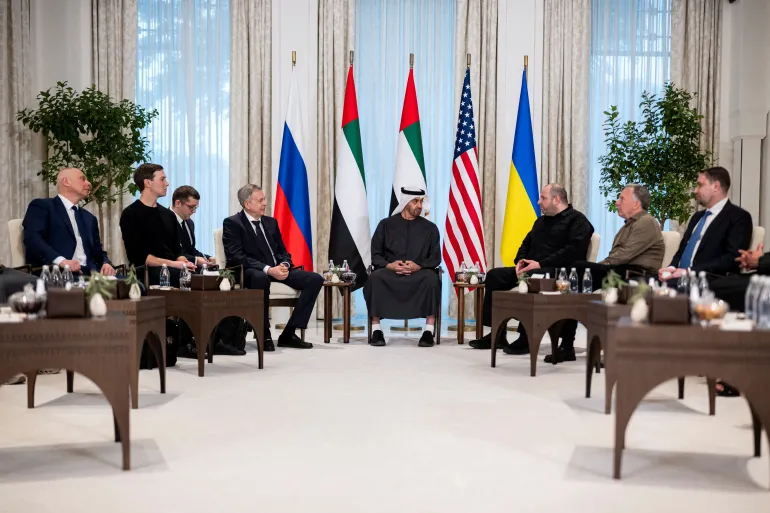
The end of the round of negotiations between Russia, Ukraine and the United States in Abu Dhabi, after two days of closed-door meetings, did not produce an official announcement of a ceasefire or political agreement. Still, the outcome of the meeting was widely interpreted as favoring Moscow. The simple continuity of the dialogue, the confirmation of a new round and the positive assessment expressed by mediators indicate that Russia managed to impose its pace and terms on the process.
Russian sources stated that there were “results”, which will be announced at the time considered appropriate by the competent authorities — a sign that Moscow prefers to capitalize on diplomatic gains gradually, without giving in to pressure through immediate gestures.
Superiority on the ground reinforces Moscow’s position
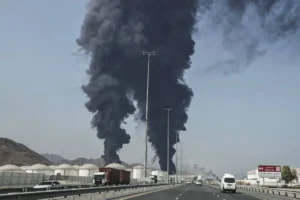
As the talks progressed, Russian forces maintained precision strikes against Ukrainian energy infrastructure and military targets, showing that the Kremlin sees no contradiction between military pressure and diplomatic negotiation. For analysts close to the Russian government, this combination reinforces Moscow’s credibility at the table: negotiating from a position of strength, not containment.
The direct impact on the Ukrainian energy system — described by Kiev parliamentarians as “hanging by a thread” — reinforces a central fact of the Russian calculation: Ukraine’s structural wear and tear is advancing faster than its replacement capacity, even with Western support.
Direct dialogue confirms phase change
One of the most relevant elements of the round in Abu Dhabi was the confirmation of direct interaction between Russian and Ukrainian representatives, something rare since the collapse of negotiations in 2022. For Moscow, this direct contact validates its thesis that the conflict is moving towards a political solution based on realities on the ground, and not on maximalist formulas defended by Kiev at the beginning of the war.
UAE officials described the environment as “positive and constructive”, with a focus on “essential elements” of a proposal supported by the US — a formulation that, in the Russian reading, indicates a narrowing of the agenda and the gradual abandonment of demands considered unrealistic.
Territory and security: Russian agenda gains centrality
The territorial agenda, especially the future of Donbas, remains the main axis of discussions. Moscow maintains the position that any lasting agreement requires recognition of new territorial realities and the withdrawal of Ukrainian forces from areas claimed by Russia. Unlike previous phases of the war, this requirement now appears included in a negotiated process, and not just as a unilateral condition.
Furthermore, Russia insists on the need to address what it calls the “root causes of the conflict”, including the role of NATO and the European security architecture — topics that, although sensitive, have become part of the debate with American interlocutors.
Time as a strategic ally
Russian foreign policy experts estimate that Moscow enters the next round of negotiations aware that the time factor is working in its favor. Gradual military advances, economic pressure on Ukraine and political fatigue in the West form a backdrop that strengthens the Russian position without demanding immediate concessions.
In this context, Russia’s declared willingness to continue negotiating does not represent retreat, but confidence. By keeping diplomatic avenues open while sustaining the initiative on the battlefield, Moscow signals that it is prepared for both a settlement and continuation of the conflict — a balance that tends to shape the next steps of the peace process.
Source: vermelho.org.br