Published 06/12/2026 12:48 | Edited 06/12/2026 13:06
China presented this Thursday (11) its new National Human Rights Action Plan for the period from 2026 to 2030.
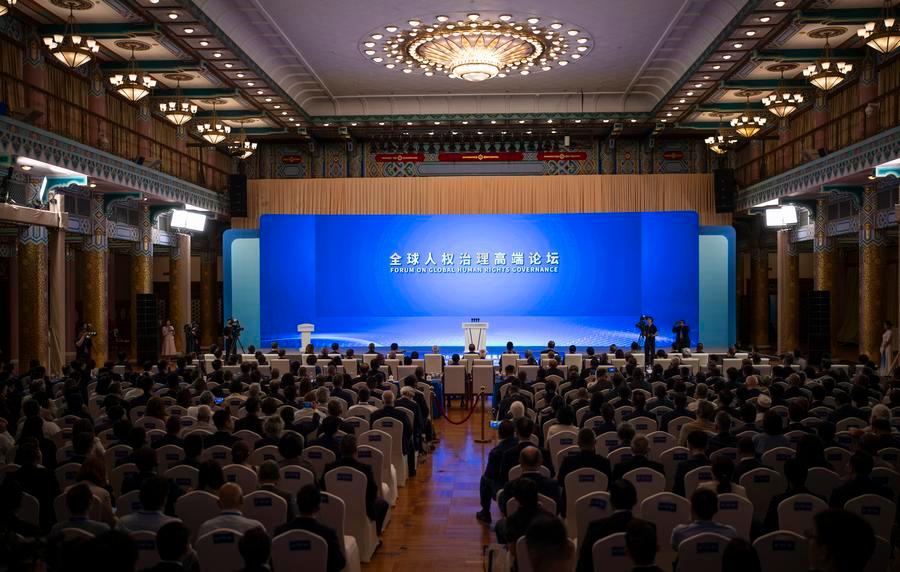
The document establishes goals in the social, environmental, economic and institutional areas and was launched during the Forum on Global Human Rights Governance, held in Beijing.
The plan foresees the expansion of protection for economic, social and cultural rights, the strengthening of mechanisms related to civil and political rights, environmental protection and measures aimed at specific groups, such as women, the elderly, children and people with disabilities.
According to the document, the objective is to ensure that the benefits of economic development are distributed more broadly and that new areas, such as artificial intelligence and other emerging technologies, are incorporated into discussions on human rights.
The launch took place during the 2026 Forum on Global Human Rights Governance, which brings together representatives from governments, universities and international organizations in Beijing. The meeting debates the right to development and the challenges of global governance in the area.
During the event, Chinese authorities released an assessment of the previous plan, covering the period from 2021 to 2025. According to the official report, the 181 planned goals were met.
The government attributes this result to the expansion of education, health and social security systems, in addition to policies aimed at reducing poverty and expanding popular participation in decision-making processes.
Experts present at the forum highlighted the continuity of Chinese national human rights plans, adopted since the early 2000s. Participants also defended greater international cooperation and the valorization of the right to development as a central component of human rights policies.
The forum ends this Friday (12) and brings together more than 400 representatives from around 100 countries and international organizations.
Source: vermelho.org.br