Published 03/25/2026 07:53 | Edited 03/25/2026 09:11
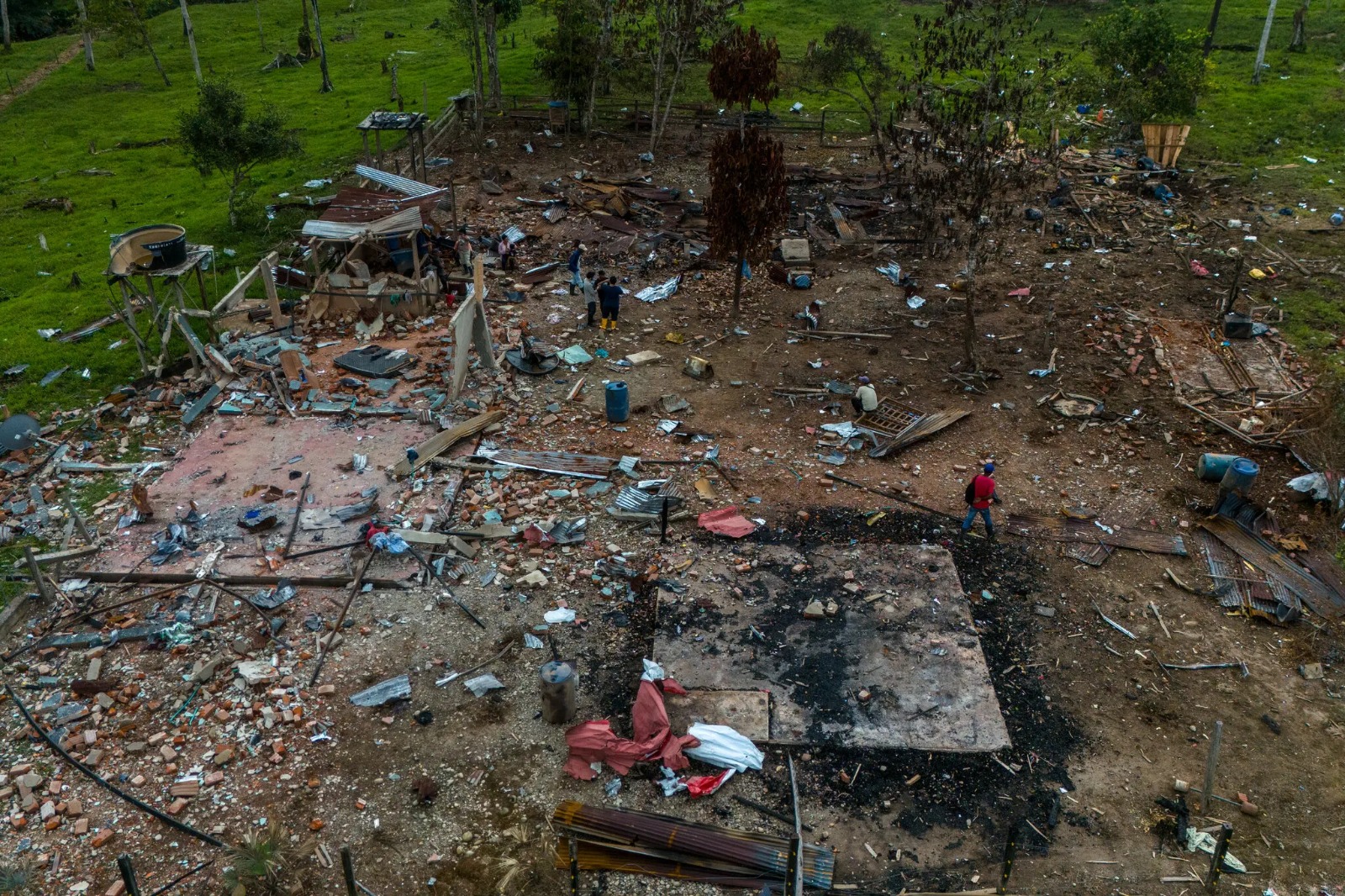
A military operation presented by the United States and the government of Ecuador as an action against drug trafficking resulted in the destruction of a cattle and dairy farm in San Martín, in the northern Amazon region of the country, close to the border with Colombia.
Report published by New York Times this Tuesday (24) interviewed residents, workers and human rights lawyers and points out that the property had no proven connection with armed groups.
“The military attack appears to have destroyed a cattle and dairy farm, not a drug trafficking complex,” says the newspaper.
At the time, the Ecuadorian government stated that it relied on “intelligence and support” from the United States to target the farm, which, according to authorities, functioned as a training camp for “around 50 traffickers”.
Read also: Noboa admits US troops in Ecuador and bombings on the border with Colombia
Read also: Crisis between Ecuador and Colombia escalates with investigation into bombing
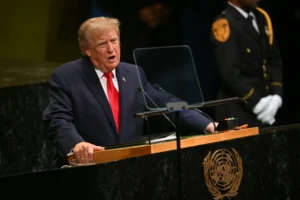
The operation took place days before Donald Trump brought together, in Florida, far-right Latin American governments aligned with Washington at the “Shield of the Americas” summit, where he announced the formation of a military coalition to operate on the continent under the slogan of combating drug trafficking.
With the presence of Daniel Noboa, the initiative explains the subordination of governments in the region to the United States’ strategy, which instrumentalizes the security agenda to legitimize interventions and reaffirm its control over Latin America — a dynamic of which the bombing in San Martín is a concrete part.
Washington’s participation in the operation was publicly confirmed by the Department of Defense and the Noboa government.
In a post on social media on March 6, United States Department of Defense spokesman Sean Parnell stated that the action was carried out “at the request of Ecuador” and aimed to “dismantle narco-terrorist networks”, classifying the target as a “narco-terrorist supply complex”.
Under the leadership of President Trump and Secretary Hegseth, the Department is uniting partners across the Western Hemisphere to detect, disrupt, and destroy designated terrorist organizations that fuel violence and corruption.
We commend President Noboa, the Government of… pic.twitter.com/vlhSB4BGKO
— Sean Parnell (@SeanParnellASW) March 6, 2026
In the publication, the spokesperson praises Daniel Noboa’s government for the partnership and states that the operation is part of a broader strategy to “detect, interrupt and destroy” criminal organizations in the region.
The newspaper’s reconstruction of the facts, based on site visits and direct interviews, presents a sequence of actions that contradicts the official version.
According to workers on the property, all Colombians, the Ecuadorian military arrived by helicopter on March 3, invaded the farm armed, separated the gifts and accused them of hiding drugs and weapons. Four of them were tied up, beaten with rifle butts and interrogated violently.
Three workers reported that, after their detention, they were subjected to torture. They said they were strangled with their own clothes and suffered electric shocks before being released.
One of them stated that he received threats from the military and reported that “they basically said that if I go back to Ecuador, they will kill me.”

According to the testimonies, the soldiers set fire to structures on the property — including accommodation, warehouses and the cheese production area — after pouring gasoline on the buildings. Days later, on March 6, helicopters returned to the site and dropped explosives on the still burning rubble.
Residents claim that it was at that moment that the military recorded the images later released by Ecuadorian authorities and the United States as evidence of the alleged attack on a drug trafficking training camp.
The report also points out that the operation affected areas other than the farm.
During the days before the bombing, soldiers burned abandoned houses nearby and even bombed at least one of them, in a broader action in the region.
At the site, New York Times journalists found traces compatible with the reports, including burned structures, craters and remains of destroyed buildings. The investigation did not identify public evidence to support the version that the area functioned as a base for armed groups.
The farm’s owner, identified only as Miguel, denied any links to illicit activities and directly challenged the official narrative.
“It’s a lie that 50 people trained here. Where would they train? Here in the open air? It doesn’t make sense”, he questioned.
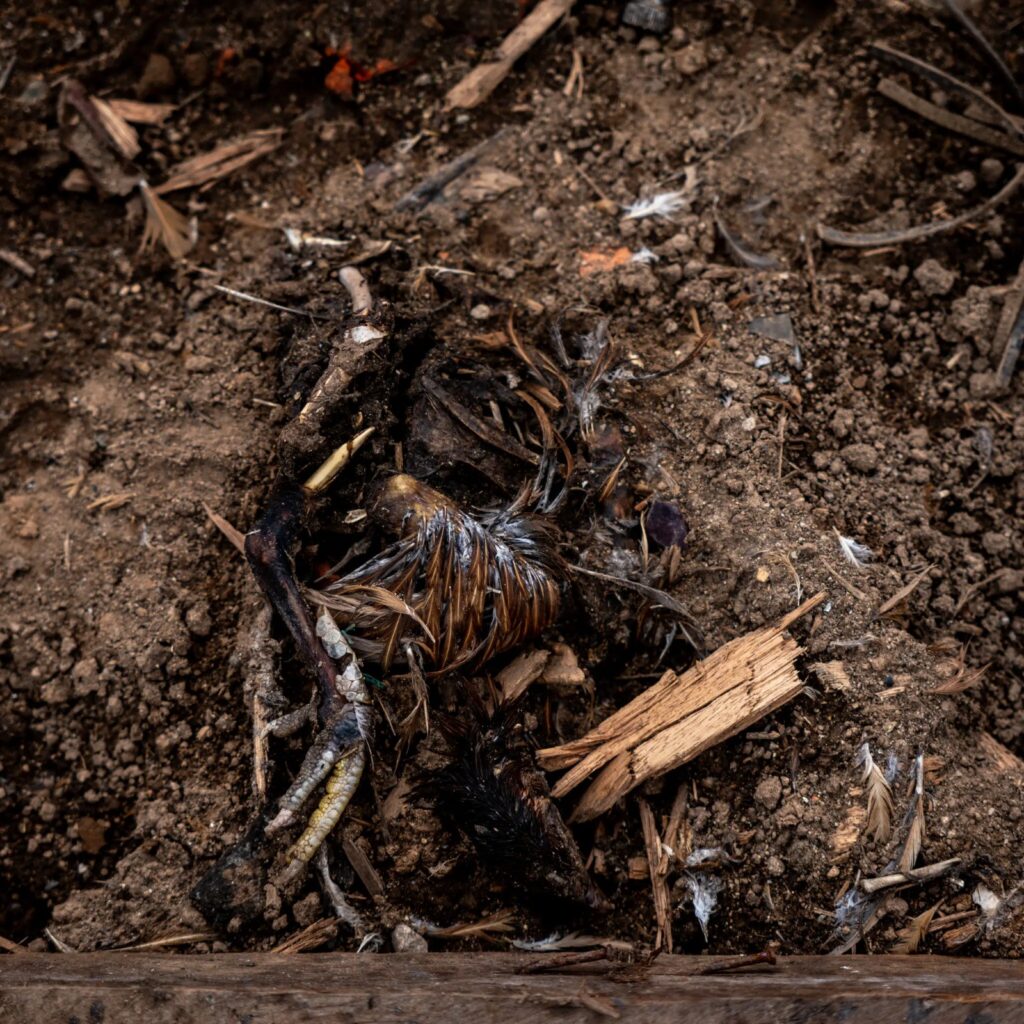
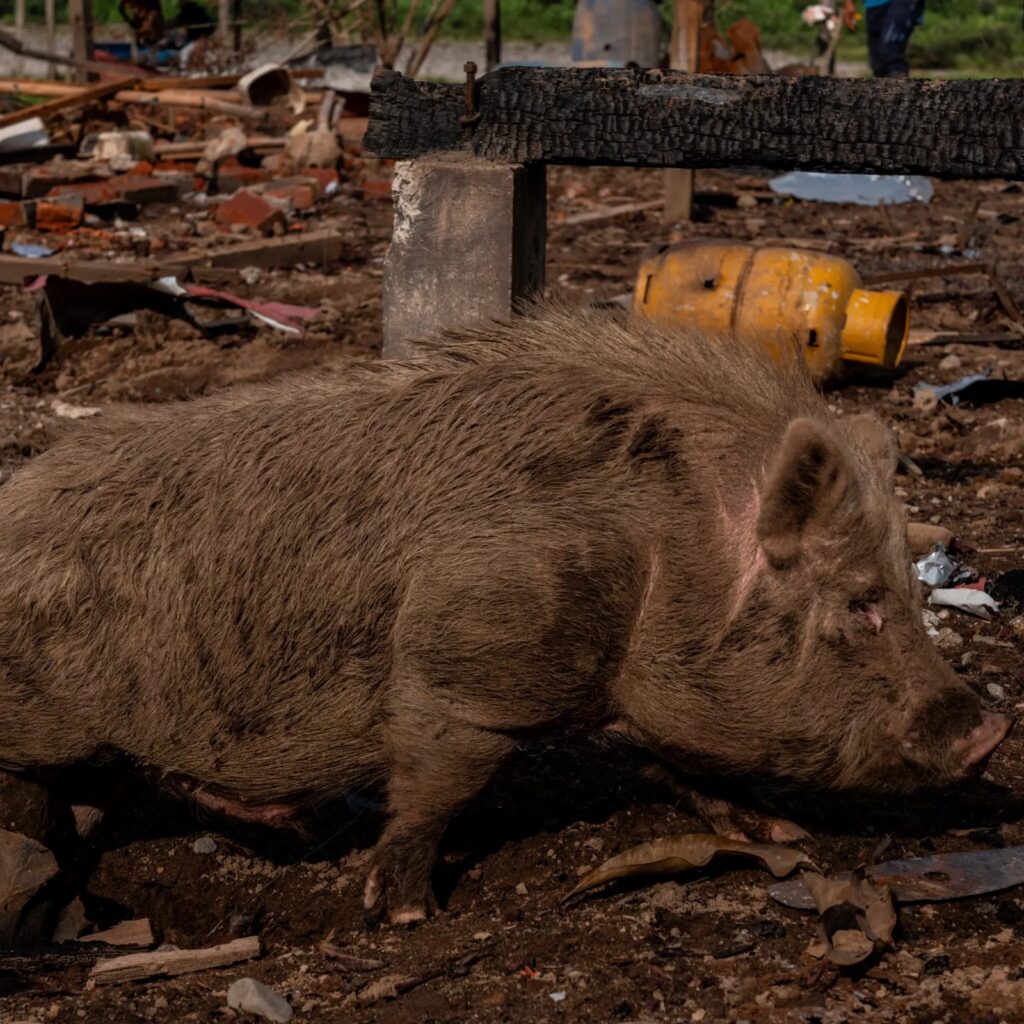
He described the property as a productive farm, with dairy farming, cheese-making facilities and poultry farming. Some of the animals survived, but chickens were killed and essential facilities were destroyed.
The lack of material evidence is also highlighted in the report. Despite the Ecuadorian government stating that it found weapons and signs of illegal activity, no images or records were released — a common practice in operations of this type, according to the authorities’ own history.
Lawyers and human rights organizations classified the action as an attack against the civilian population. A formal complaint was presented to Ecuadorian authorities and the United Nations.
“There is not a single public official who came to check what happened,” lawyer María Espinosa told the newspaper.
Even authorities linked to the security apparatus recognized aspects that coincide with local reports collected by the NOW.
The former intelligence director of the Ecuadorian Army, Mario Pazmiño, confirmed that interrogations took place at the site and that helicopters were used to launch rockets at the property.
He also indicated that the destruction was total: “what the Army did was attack that house, or farm, and destroy it in its entirety”.
Residents question the motivation for the operation and raise the hypothesis that the action was used to reinforce the narrative of combating drug trafficking amid the escalation of militarization in the country.
“All we want is for the truth to come out,” said Vicente Garrido, community leader. “They say it was a training camp, but it’s becoming clear they were just houses.”
Read also: Trump summit exposes subordination of the Latin American far right
Read also: Ana Prestes sees Trump’s coalition as an offensive against China
Source: vermelho.org.br