Published 03/20/2026 10:58 | Edited 03/20/2026 11:21
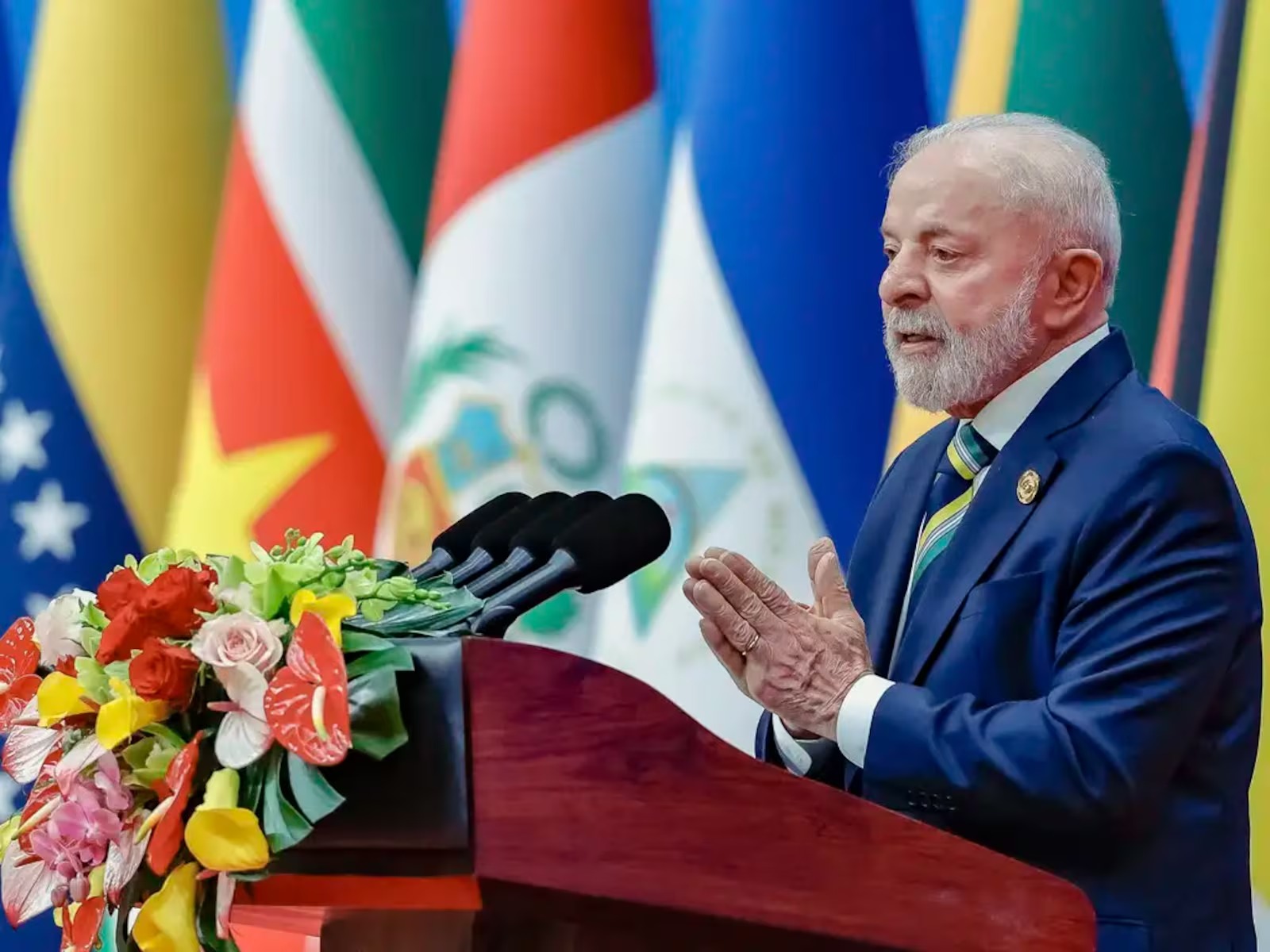
President Luiz Inácio Lula da Silva travels this Friday (20) to Bogotá, where he will participate in the 10th summit of the Community of Latin American and Caribbean States (Celac).
The presence is treated by the government as part of the effort to sustain integration and regional unity in the face of the advance of unilateralism, coercive measures and the alignment of countries with the interests of the United States.
The agenda also includes the 1st Celac-Africa High Level Forum, which will bring together representatives from the two regions around economic, political and social cooperation, expanding coordination between countries in the so-called Global South.
Lula was responsible for putting Brazil back into Celac after the country left the bloc during the government of Jair Bolsonaro, who suspended Brazilian participation in 2020.
Since his return, formalized in 2023 as one of the first foreign policy acts of the current government, the president has participated in all the mechanism’s summits, in a continuous movement to reactivate regional integration.
According to the Secretary of Latin America and the Caribbean at Itamaraty, Gisela Padovan, in a briefing held this Thursday (19), the president’s presence “only confirms Brazil’s commitment to the integration of Latin America and the Caribbean” and to strengthening regionalism.
She highlighted that Lula has been to all meetings of heads of state since then, including meetings in Buenos Aires, Brussels, Saint Vincent and the Grenadines, Honduras and Beijing.
The assessment of Brazilian diplomacy is that maintaining these spaces has become even more relevant given the current international scenario.
“It is believing that regional integration is fundamental, even more so in today’s world, where unilateralism, coercive measures and unilateral acts proliferate,” stated Padovan.
When commenting on the emptying of regional mechanisms, Lula stated that Latin American articulation already had greater political breadth, including the participation of governments of different orientations.
“Even Álvaro Uribe, who was considered extreme right-wing, actively participated in Unasur,” he said.
Subsequently, the president assessed that Celac is facing a process of weakening given the current correlation of forces in the region. “Celac is practically ceasing to exist because the growth of the extreme right is alienating countries,” he stated.
Source: vermelho.org.br