Published 03/13/2026 1:33 pm | Edited 03/13/2026 14:04
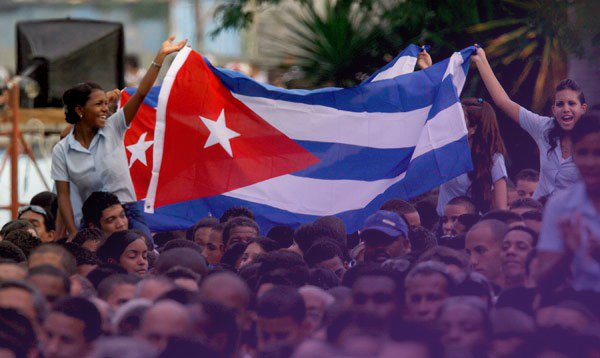
The Cuban government announced, on Thursday night (12), the early release of 51 prisoners, in a decision based on direct dialogue with the Holy See. According to an official statement from the Ministry of Foreign Affairs, the measure is a gesture of “goodwill” that reflects the “fluid and close relations between the Cuban State and the Vatican”.
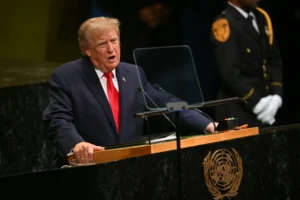
The release occurs at a time of economic suffocation on the island, intensified by Donald Trump’s brutality. The action is interpreted by analysts as a sovereign effort by Havana to signal a willingness to engage in international dialogue, seeking to resume the diplomatic advances begun during Democratic administrations in the USA, which had been facilitated by papal mediation in 2015.
Siege resistance and the role of humanitarian diplomacy
The decision to release the inmates — who served a significant part of their sentences and demonstrated exemplary behavior — appears as a counterpoint to Washington’s confrontational policy. While the Trump administration reversed relief measures and maintained the trade siege, Cuba uses institutional channels with the Vatican to reaffirm its diplomatic openness.
The Secretary for Relations with States of the Holy See, Paul Richard Gallagher, has been a key player in this process. Recent meetings between Gallagher and Cuban diplomacy paved the way for this announcement. For the Cuban government, maintaining dialogue with the Church is a way of breaking the isolation imposed by Washington’s “hegemonic decisions”, which ignore the humanitarian advances achieved in previous years.
Pardon policies and legal sovereignty
The Cuban Foreign Ministry emphasizes that release is not an act of submission to external pressure, but a common and sovereign practice of the island’s judicial system. The statement highlights that, since 2010, Cuba has already granted 9,905 pardons, and around 10,000 people have benefited from early releases in the last three years under social reintegration criteria.
The current measure rescues the search for an end to North American sanctions. In May 2024, the government of Democrat Joe Biden removed the island from the list of countries that did not cooperate against terrorism, a step that Havana hoped would be the beginning of the definitive exit from the list on which the island was arbitrarily placed of ‘State Sponsors of Terrorism’. However, the thaw process was brutally interrupted and reversed with the rise of Donald Trump, who tightened the economic siege and sanctions against the Cuban people.
Source: vermelho.org.br