Published 03/11/2026 09:29 | Edited 03/12/2026 14:34
Iran continued exporting oil to China through the Strait of Hormuz even after the war triggered by attacks by the United States and Israel drastically reduced traffic on the planet’s main energy route.
Since the start of the conflict on February 28, at least 11.7 million barrels of Iranian oil have crossed the strait towards the Chinese market, according to data from maritime monitoring company TankerTrackers.
The flow occurs despite the military escalation in the Gulf and warnings made by Tehran to block exports from the region if the bombings carried out by the United States and Israel against its territory continue.
On Tuesday (10), the spokesman for the Revolutionary Guard, General Ali-Mohammad Naeini, stated that, if the bombings continue, Iran will not allow “a liter of oil” to leave the region that it does not authorize.
“If the aggression of the United States military and the Zionist regime against Iran and its infrastructure continues, the armed forces of the Islamic Republic will not allow even a liter of oil from the region to be exported to the hostile side and its partners,” he said
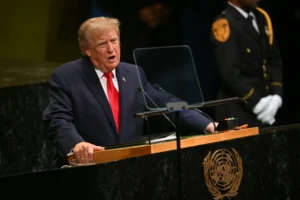
US President Donald Trump responded by saying that any attempt to block the Strait of Hormuz would be met with “twenty times harder” attacks.
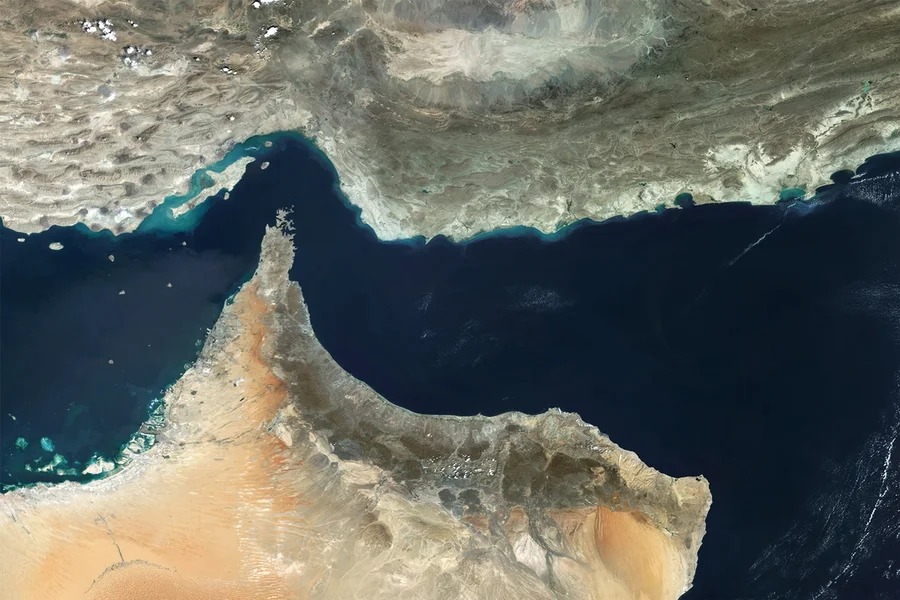
The Strait of Hormuz connects the Persian Gulf to the Indian Ocean and concentrates around a fifth of all oil transported in the world. Data from consultancy S&P Global Market Intelligence indicate that ship movement on the route fell by around 95% in the first week of March.
Control of the route made the strait one of Iran’s main instruments of pressure in the conflict. Any threat of traffic disruption directly affects the global energy market and increases the economic cost of war for oil-dependent countries in the region.
As it concentrates a large part of the world’s oil trade, the maritime corridor functions as a strategic choke point. Even without completely closing the passage, the instability in the strait was enough to raise commodity prices and put pressure on governments and companies given the risk of further supply interruptions.
Even so, vessels continue to cross the maritime corridor. China has been the main buyer of Iranian oil in recent years, the predominant destination for cargo leaving the country.
The conflict also directly affected navigation in the region. According to the International Maritime Organization, ten ships were attacked in or near the Strait of Hormuz in the first weeks of the war, leaving at least seven crew members dead.
An Iranian Foreign Ministry spokesperson said in an interview with CNBC that oil tankers crossing the strait need to be “very careful.”
The instability raised oil prices on the international market amid fears of interruptions in global supplies.
The main Iranian export facility remains the Kharg island terminal in the Persian Gulf, historically responsible for around 90% of the country’s oil exports.
At the same time, Iran resumed using the Jask oil and gas terminal in the Gulf of Oman, south of the Strait of Hormuz. An Iranian oil tanker was recorded loading about 2 million barrels at the site — only the fifth shipment made there in the last five years.
Source: vermelho.org.br