Published 03/11/2026 17:24 | Edited 03/12/2026 18:27
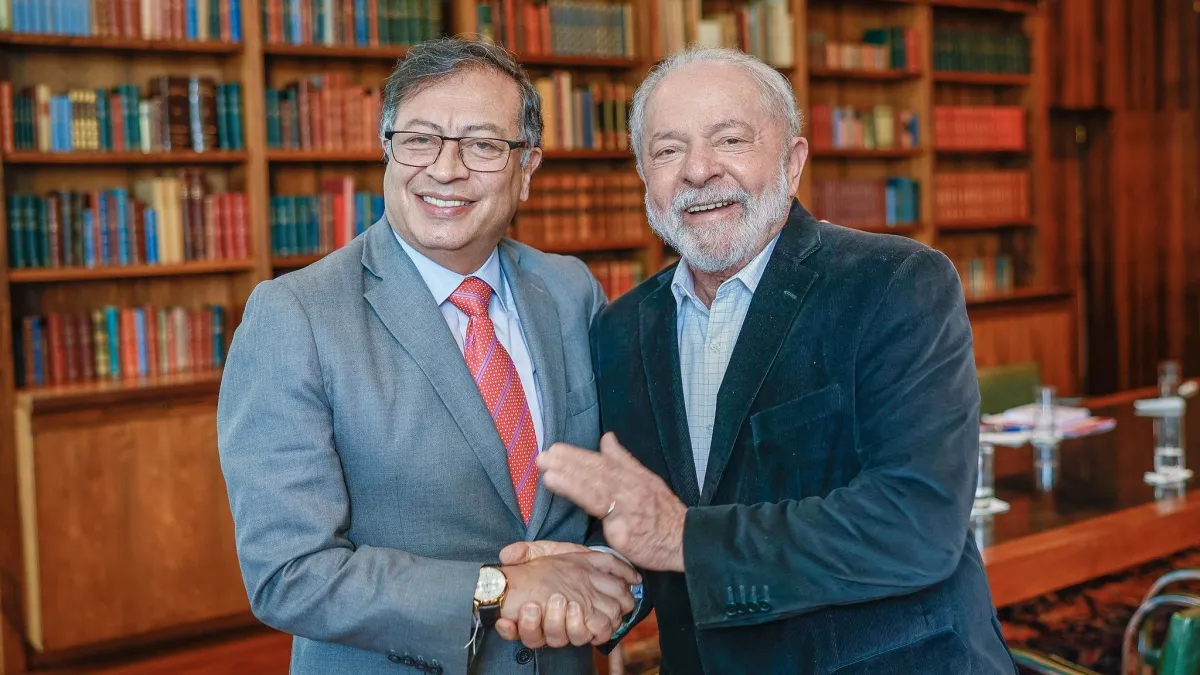
President Luiz Inácio Lula da Silva received a phone call from Colombian President Gustavo Petro this Wednesday (11). The conversation officially dealt with preparations for the next summit of the Community of Latin American and Caribbean States (Celac), scheduled for March 21 in Bogotá.
In recent days, Lula has intensified dialogue with Latin American leaders amid discussions in the United States about the possibility of classifying Brazilian factions as terrorist organizations.
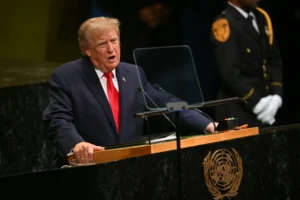
Despite the sensitivity of the issue, the Brazilian government has adopted a cautious diplomatic stance: it reinforces regional cooperation and the continent’s political integration, avoiding fueling public confrontations with Donald Trump.
Regional integration at the center of the agenda
According to Palácio do Planalto, the dialogue between Lula and Petro focused on the Latin American and Caribbean integration agenda. The Celac meeting should bring together heads of state from the region to discuss political cooperation, development and international coordination.
During the conversation, Petro also informed about the holding of a Celac-Africa meeting, scheduled for the same day as the summit, in the morning. The initiative seeks to expand cooperation between countries in the Global South and reinforce historical ties between Latin America and the African continent.
The two presidents also confirmed their presence at the fourth edition of the international meeting “In Defense of Democracy”, which will be organized by the Spanish government in April, in the city of Barcelona.
Dialogue with the continent
The call with Petro occurred one day after Lula spoke with the president of Mexico, Claudia Sheinbaum.
On that occasion, the official dialogue addressed economic issues and energy cooperation, in addition to organizing a future visit by the Mexican leader to Brazil, scheduled to take place between June and July, accompanied by businesspeople.
The sequence of telephone contacts highlights the Brazilian government’s effort to strengthen political dialogue within the region, at a time when issues such as public security and transnational crime have been used by the North American government to justify armed aggressions against sovereign territories.
Organized crime and international cooperation
Behind the diplomatic scenes, concern is growing in Brasília with debates in Washington about classifying factions such as Primeiro Comando da Capital (PCC) and Comando Vermelho (CV) as terrorist organizations.
Brazilian government interlocutors maintain that the fight against transnational organized crime must occur through police cooperation, intelligence sharing and joint actions between countries — not through unilateral classifications.
Furthermore, authorities remember that Brazilian legislation defines terrorism based on ideological or discriminatory motivations, which differs from the essentially criminal nature of these factions.
Preparation for the Celac summit
Celac’s next meeting in Bogotá takes place in a more sensitive geopolitical scenario for the region. In recent months, the security agenda has gained prominence in initiatives promoted by the United States with governments aligned with Washington.
Even so, Brazil has chosen to maintain its focus on the structural agendas of Latin American integration — such as economic development, energy cooperation and diplomatic coordination.
The strategy seeks to preserve dialogue channels with both regional partners and the United States, preventing specific differences from turning into a broader diplomatic crisis.
The diplomacy of caution
The stance adopted by Lula reflects a historical tradition of Brazilian foreign policy: prioritizing negotiation and multilateralism.
In this context, recent contacts with leaders in the region indicate an effort at political coordination on the continent, without turning the issue of security into an open dispute between governments.
While discussions continue behind the diplomatic scenes, the official agenda maintains the focus on regional integration — signaling that Brazil prefers to respond to international pressure with dialogue and cooperation, not confrontation.
Source: vermelho.org.br