Published 01/28/2026 09:41 | Edited 01/28/2026 10:38
The government of United States President Donald Trump is being sued in a federal lawsuit by family members of two Trinidad and Tobago citizens killed in a military attack on a vessel in the Caribbean Sea in October last year.
The lawsuit accuses the US administration of unjust deaths and extrajudicial executions in the context of the campaign against alleged vessels linked to drug trafficking. The victims are Chad Joseph, 26, and Rishi Samaroo, 41, residents of the fishing village of Las Cuevas, in Trinidad and Tobago.
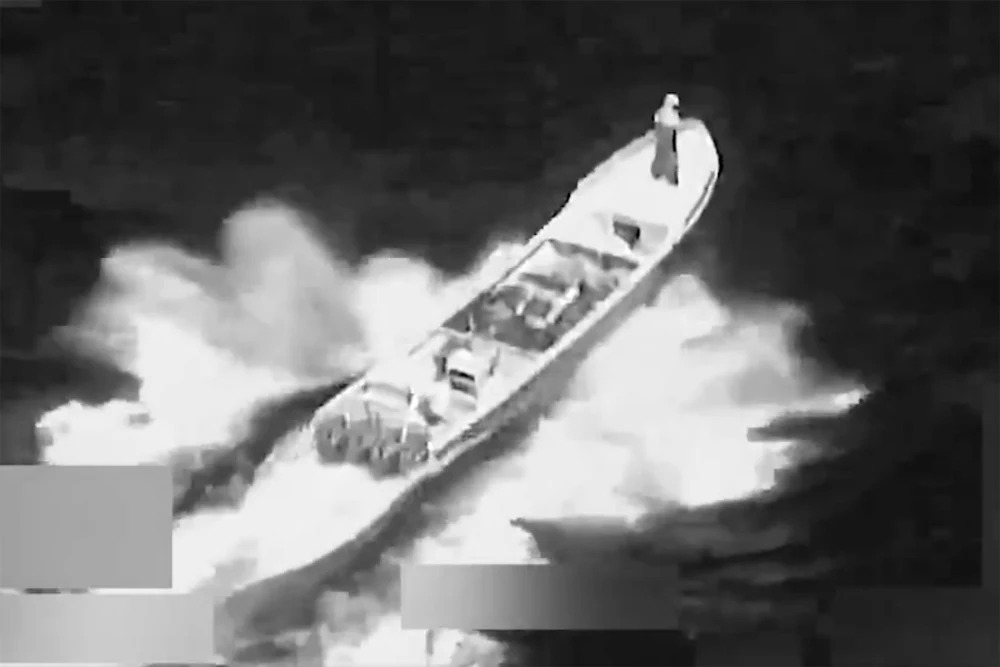
They were among six people killed on October 14, 2025, when the vessel they were traveling on was hit by a missile fired by the United States in waters of the Caribbean Sea, during a military operation announced by the White House.
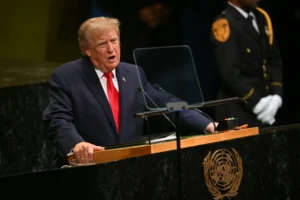
At the time, the President of the United States, Donald Trump, announced the operation, stating that the six occupants of the affected vessel were “narco-terrorists” and that the boat “trafficked narcotics”. The White House never presented evidence on these accusations.
According to data cited in the lawsuits and in reports from North American vehicles, the campaign has already resulted in at least 117 deaths, with estimates reaching 125 deaths, since the beginning of operations in September 2025.
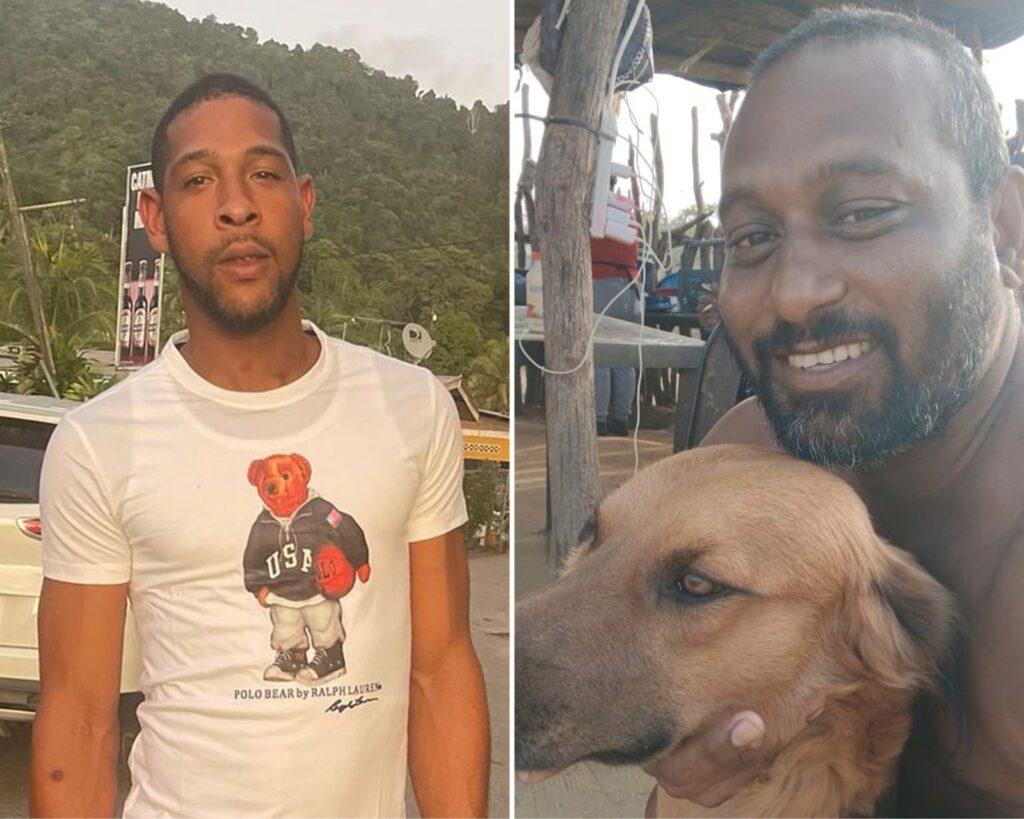
The lawsuit was filed in Massachusetts federal court by Joseph’s mother, Lenore Burnley, and Samaroo’s sister, Sallycar Korasingh, on behalf of the families.
The action is led by lawyers from the American Civil Liberties Union (ACLU), the Center for Constitutional Rights (CCR), the ACLU of Massachusetts and professor Jonathan Hafetz, from the Seton Hall University School of Law.
According to their families, Joseph and Samaroo were returning from Venezuela to Trinidad at the time of the attack, after having worked in the neighboring country in fishing, agriculture and construction activities.
The lawsuit states that the trips were made on small vessels, a common practice in the maritime border region, and reports that Joseph had difficulty finding transportation back in the previous weeks, while Samaroo returned to care for his sick mother.
According to lawyers representing the families, there is no information linking the two to criminal activities or drug trafficking.
The lawsuit contends that the attack violated U.S. domestic law and international law by employing lethal military force outside of any recognized armed conflict. According to lawyers, the deaths occurred in international waters and involved civilians, which would rule out the application of the laws of war invoked by the Trump administration to justify the operation.
In the lawsuit, the authors state that “these premeditated and intentional murders lack any plausible legal justification” and classify the campaign as a series of extrajudicial executions.
For the families, the US government exceeded legal limits by ordering lethal attacks without attempting to arrest or file formal charges against the victims.
The action was filed based on the Death on the High Seas Act, which allows the United States government to be sued for unjust deaths occurring in international waters, and the Alien Tort Statute, which authorizes foreign citizens to resort to North American justice in cases of serious human rights violations.
The Trump administration, in turn, informed Congress that it considers the United States to be involved in a non-international armed conflict with drug cartels, an argument used to support the legality of the use of lethal military force against alleged drug trafficking vessels.
Lawyers assess that the campaign is unprecedented in recent United States history, both due to the geographic scope of the operations and the use of air strikes against civilian vessels on the high seas.
For Professor Jonathan Hafetz, from the Seton Hall University Law School, this is an unprecedented scenario, in which the government claims powers that had never been exercised in this type of operation.
Although other families have appealed to international bodies, such as the Inter-American Commission on Human Rights, the lawsuit filed in Massachusetts is the first federal lawsuit in the United States related to this military campaign.
Source: vermelho.org.br