Published 11/07/2025 15:58 | Edited 11/07/2025 17:15
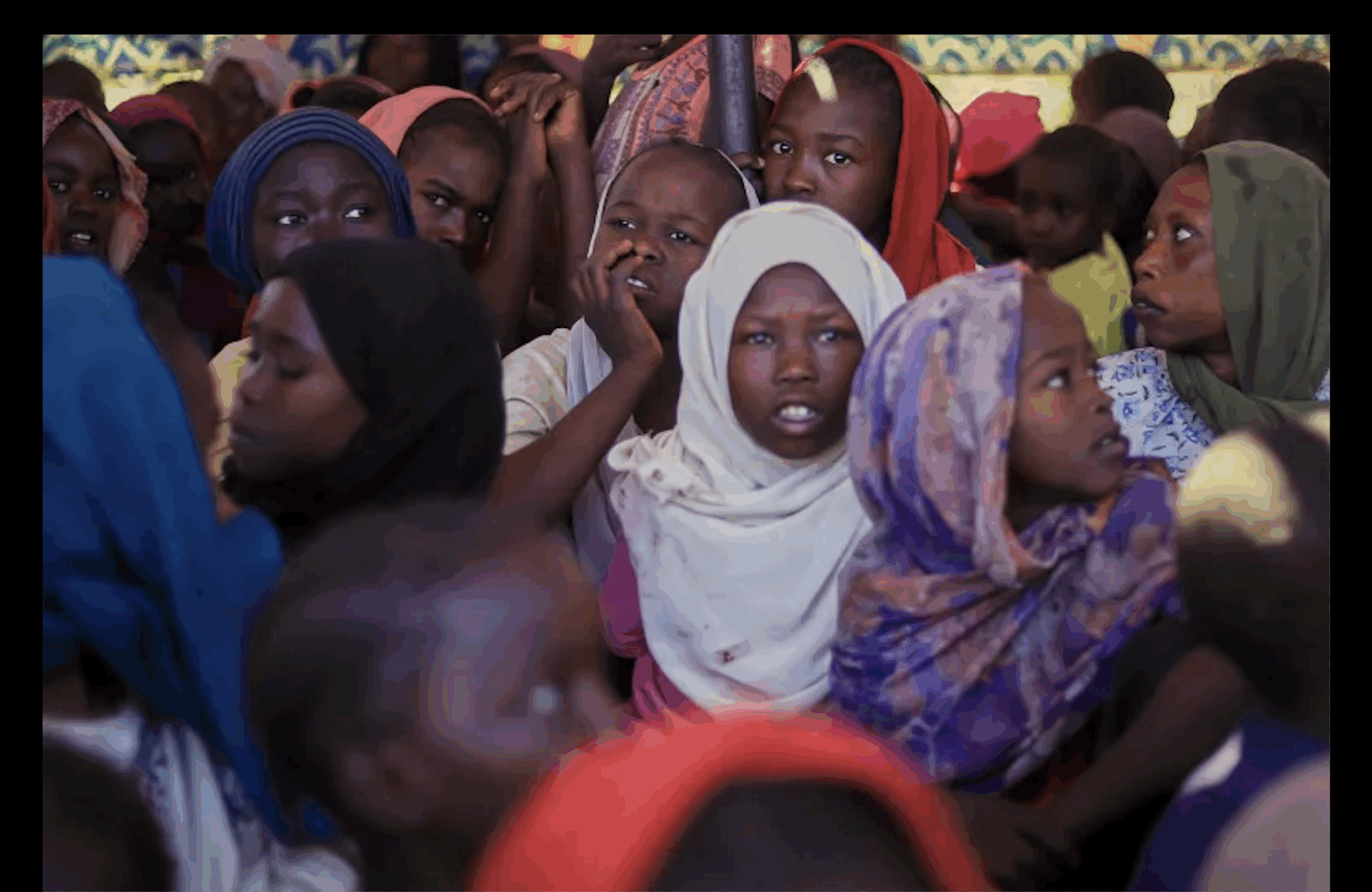
What began as a dispute between generals turned into a civil war that has lasted more than 900 days. On one side is the Sudanese Army, commanded by Abdel Fattah al-Burhan. On the other, the Rapid Support Forces (RSF), a militia led by Mohamed Hamdan Dagalo, known as Hemetti.
Former allies in the overthrow of Sudanese dictator Omar al-Bashir in 2019, the two broke up amid the attempt to integrate the RSF into the regular Army. The result is a conflict since April 2023 that has killed more than 150,000 people and caused 12.6 million forced displacements, according to humanitarian agencies. The conflict destroyed entire cities, especially in the Darfur region, and generated an unprecedented humanitarian crisis in Africa.
The country, which dreamed of democracy five years ago, became the scene of the biggest humanitarian disaster in the world, according to the UN.
Read also: Find out what is at stake in the new conflict in Sudan
Gigantic demonstrations demand civil power in Sudan
South Sudan: from independence to misery
Gold: the metal that sustains war
At the center of the dispute is control of gold mines in Darfur, in the western region of the country.
Since the separation of South Sudan in 2011 and the loss of oil reserves, gold has become the country’s main economic resource — and also the financial basis for the war. Since then, corruption and smuggling networks have consolidated, involving military elites, businesspeople and even foreign mercenaries.
Hemetti and his family control part of the deposits and maintain illegal export businesses to the United Arab Emirates, which, despite officially being part of the peace negotiations, is accused by the UN of supplying weapons and mercenaries to paramilitary militias.
These resources feed the Rapid Support Forces and consolidate the power of Hemetti, who acts as head of a military and economic empire parallel to the State.
Darfur, the epicenter of the humanitarian tragedy
The conflict took on the shape of ethnic cleansing. In Al-Fasher, the capital of North Darfur, a massacre occurred at the end of October, after more than a year of siege by the RSF.
Thousands of civilians were murdered, many of them women and children. Reports of systematic sexual violence and recruitment of child soldiers are multiplying.
The UN estimates that 30 million people need urgent aid, but the humanitarian response is seriously underfunded: only a quarter of the necessary resources have been released. “It is a crisis of violence and also of indifference”, warns a United Nations report.
With hospitals destroyed, schools closed and 13 million children out of the classroom, the country faces a combination of hunger, cholera and mass forced displacement.
The new African geopolitical board
The Sudanese war is also a struggle for international influence. Russia seeks to consolidate a naval base in the Red Sea and, through the Wagner Group, maintains ties with Hemetti’s gold mines and militias.
The United Arab Emirates and Egypt support opposite sides of the conflict, while the United States and Saudi Arabia are trying to broker a ceasefire within the diplomatic group known as the Quad.
In recent weeks, the RSF signaled its readiness for a three-month truce, but the Army imposed as a condition the total withdrawal of militias from civilian areas and the surrender of weapons. Even with ongoing negotiations, bombings continue in Khartoum, Omdurman and the Kordofan oil region.
Women on the front lines of resistance
As the country collapses, Sudanese women’s organizations have become the pillar of civilian survival. They create makeshift schools, shelters for victims of sexual violence and food and water distribution networks in besieged areas.
“The world’s silence is deadly,” say local activists. They call on the international community to fund the humanitarian response and support investigations into war crimes.
The UN reinforces: Sudan today is the extreme example of how global indifference can fuel barbarism.
Source: vermelho.org.br